
 MyME
MyME


Cold weather introduces new challenges for equipment operators. Snow, ice, reduced visibility, and freezing temperatures affect both machine performance and personal safety. Preparing properly helps prevent breakdowns, injuries, and unnecessary downtime throughout the winter season.
This guide covers essential cold-weather operating tips to help equipment owners work safely and confidently in winter conditions.
How Cold Weather Affects Equipment
Low temperatures change how equipment behaves. Fluids thicken, batteries lose power, and metal components become less forgiving under stress. Snow and ice also reduce traction and visibility, increasing the likelihood of slips, stalls, and mechanical strain.
Common cold-weather challenges include hard starts, sluggish hydraulics, reduced traction, frozen controls, and compromised visibility.
Understanding these effects allows operators to adjust expectations and operating habits accordingly.
Pre-Operation Safety Checks
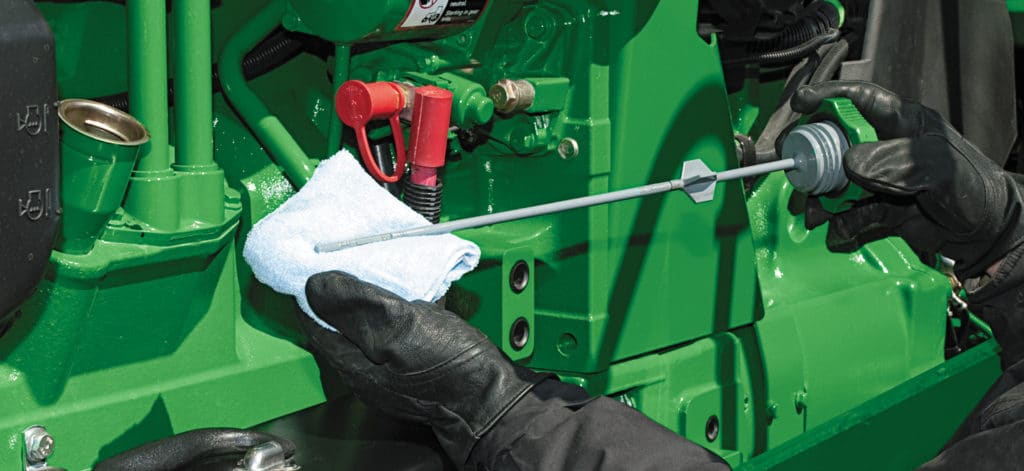
A thorough pre-use inspection is especially important in winter. Taking a few extra minutes before starting the equipment can prevent serious issues later.
Key checks include inspecting tires or tracks for wear and proper inflation, verifying fluid levels and winter-grade lubricants, removing ice and snow from steps, controls, vents, and lights, and confirming that safety switches and indicators are functioning properly.
Allowing equipment to warm up gradually helps components reach operating temperature without unnecessary stress.
Dressing for Cold Weather Operations
Operator safety starts with proper clothing. Cold exposure reduces dexterity, slows reaction time, and increases fatigue.
Operators should wear insulated, weather-resistant outer layers, moisture-wicking base layers, non-slip footwear, insulated gloves that still allow control operation, and high-visibility clothing when working near driveways or roadways.
Avoid loose clothing that could catch on moving parts.
Safe Operating Practices on Snow and Ice
Traction is one of the biggest safety concerns during winter operation. Snow-packed and icy surfaces require slower speeds and smoother movements.
Best practices include reducing travel speed, avoiding sudden turns or stops, maintaining safe distances from edges and drop-offs, and operating equipment straight up and down slopes whenever possible.
Ballast, tire chains, or tracks can improve stability when conditions are especially slick.
Visibility and Awareness
Winter weather often brings reduced visibility from snowfall, blowing snow, and shorter daylight hours.
Ensure lights are clean and functional, use work lights when operating in low-light conditions, and stay aware of hidden obstacles such as curbs, frozen debris, or buried objects.
Clear snow buildup from mirrors, cameras, and windshields frequently during operation.
Managing Cold Weather Fatigue
Cold temperatures increase physical strain and fatigue. Operators may not realize how quickly exhaustion sets in during winter work.
Taking regular breaks, staying hydrated, and warming up periodically help maintain focus and reduce the risk of mistakes. Never rush tasks to get out of the cold, as hurried operation often leads to accidents.
Shutdown and Storage Safety
Proper shutdown is just as important as safe operation. After use, allow equipment to cool down, clear snow and ice from moving parts, refuel if recommended, and store machines in a dry, sheltered location when possible.
Disconnecting or maintaining batteries helps prevent cold-related starting issues the next time equipment is used.
Prioritizing Winter Equipment Safety
Cold weather demands a different approach to equipment operation. With proper preparation, awareness, and technique, winter tasks can be completed safely and efficiently.
Minnesota Equipment offers winter-ready machines, attachments, and service support to help operators stay productive while reducing risks during the coldest months of the year.