
 MyME
MyME
Why Minnesota’s Cool-Season Grasses Require Specific Mowing Equipment
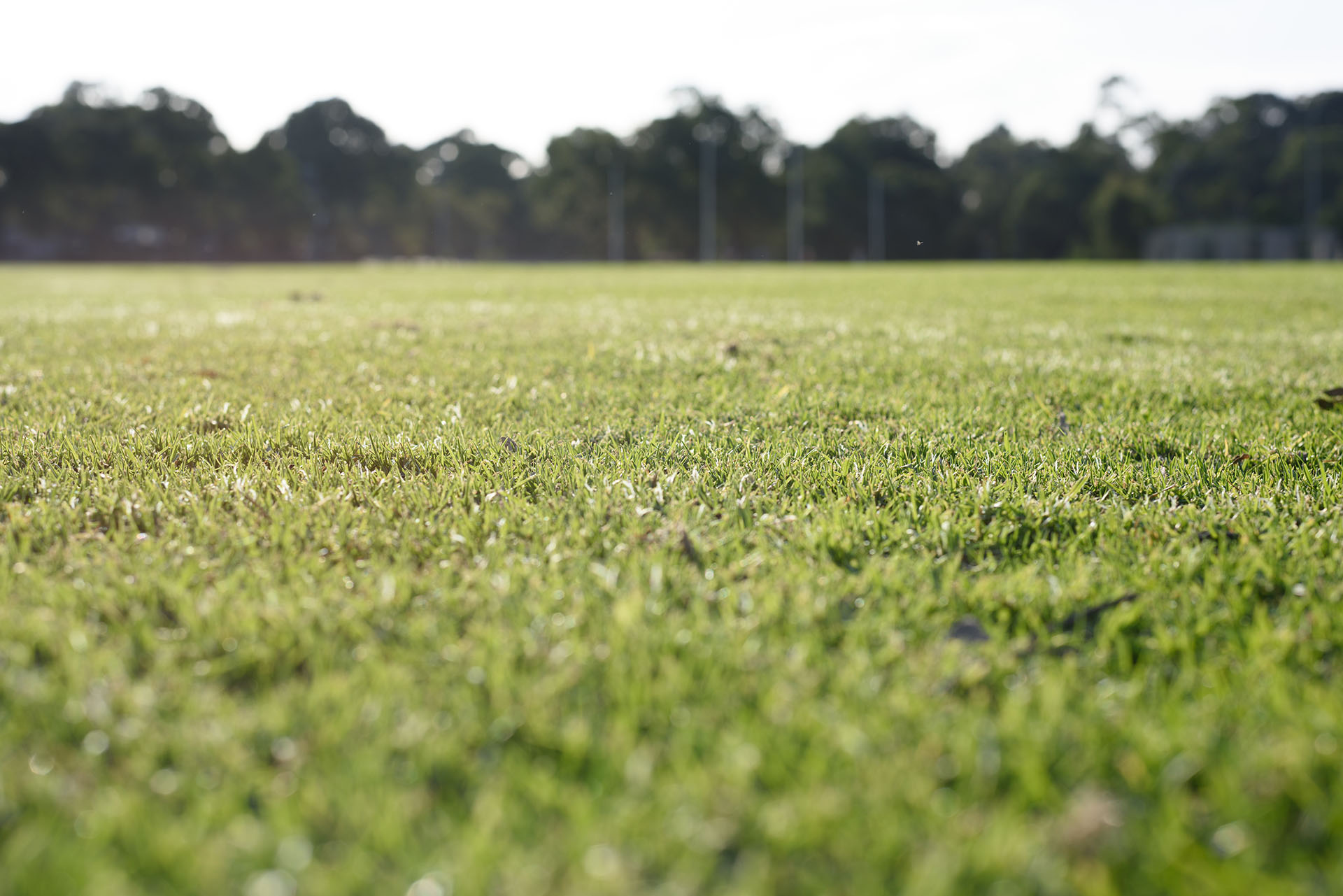
Minnesota lawns are defined by cool-season grasses that thrive in our specific climate, but these grass types also present distinct challenges for mowing equipment. Unlike the warm-season grasses found in the south, the varieties we grow here—primarily Kentucky Bluegrass and Fescues—grow densely and possess tough, fibrous blades that require substantial lift and power to cut cleanly.
Choosing a mower isn’t just about the size of your yard, but rather how well the machine handles the physical properties of the vegetation itself. Understanding the relationship between your turf type and your mower’s capabilities ensures a healthier lawn and extends the lifespan of your equipment.
The Density of Kentucky Bluegrass Demands Power
Kentucky Bluegrass is the gold standard for Minnesota lawns due to its winter hardiness and rich color, but it is also exceptionally dense. This density creates significant resistance against mower blades, especially during the rapid growth surge we experience in late May and June.
A mower with insufficient torque will bog down in this thick turf, tearing the grass rather than slicing it cleanly. This tearing leaves jagged edges that turn brown and invite disease.
To handle this, residential and commercial owners in Minnesota need engines with higher torque ratings. Torque provides the rotational force necessary to keep the blade spinning at a constant speed when it encounters thick clumps of lush Bluegrass. When selecting a machine, prioritizing engine displacement and torque ensures you can power through the spring rush without stalling or compromising cut quality.
Critical Mower Features for Cool-Season Grasses
Because common Minnesota grasses like Perennial Ryegrass and Fine Fescue grow vertically and can mat down easily, the design of your mower deck is just as critical as the engine powering it. You need equipment engineered to lift the grass blade before cutting it to achieve that manicured look.
Look for these specific features when evaluating mowers for Minnesota turf:
- Deep Deck Design: A deeper deck shell creates better airflow and suction, lifting the grass blades upright for an even cut.
- High-Lift Blades: These blades work in tandem with a deep deck to generate powerful vacuum action, which is essential for bagging heavy spring clippings or effectively mulching dense fall leaves.
- Easy Height Adjustment: Cool-season grasses need to be cut taller in the summer (3–4 inches) to shade the soil and retain moisture. A deck lift system that is difficult to operate often leads to scalping because operators avoid changing the height.
- Deck Wash Ports: The high moisture content of our local grasses leads to clumped clippings under the deck. Integrated wash ports make it easier to keep the underside clean, preventing rust and maintaining airflow.
Managing Moisture and Seasonal Growth
Our lawns hold moisture longer than many other regions, particularly in the mornings or after our frequent summer storms. Fine Fescues, often used in shady areas under our abundant tree canopies, can become slippery and difficult to mow if your equipment lacks proper traction. Rear-wheel drive self-propelled units or zero-turn mowers with wide, treaded tires are superior for maintaining control on lush, damp slopes without tearing up the turf.
Furthermore, the “stickiness” of wet, cool-season clippings can clog discharge chutes easily. If you prefer to mulch, you need a dedicated mulching kit with baffles that recirculate clippings until they are fine enough to disappear into the canopy. If you bag, a wide-diameter chute and a high-velocity blower assist (often found on lawn tractors) are necessary to push heavy, damp clippings into the hopper without constantly clogging.
Master Mowing in Minnesota
Matching your equipment to the specific biological realities of Minnesota turf is the surest way to achieve professional results. A mower designed to handle the density of Kentucky Bluegrass and the moisture of our climate will save you frustration and leave your property looking pristine. Whether you need high torque for thick growth or specialized deck geometry for superior lift, the right machine makes all the difference. Our team understands local turf conditions and can help you select the exact model required to tame your specific landscape.