
 MyME
MyME

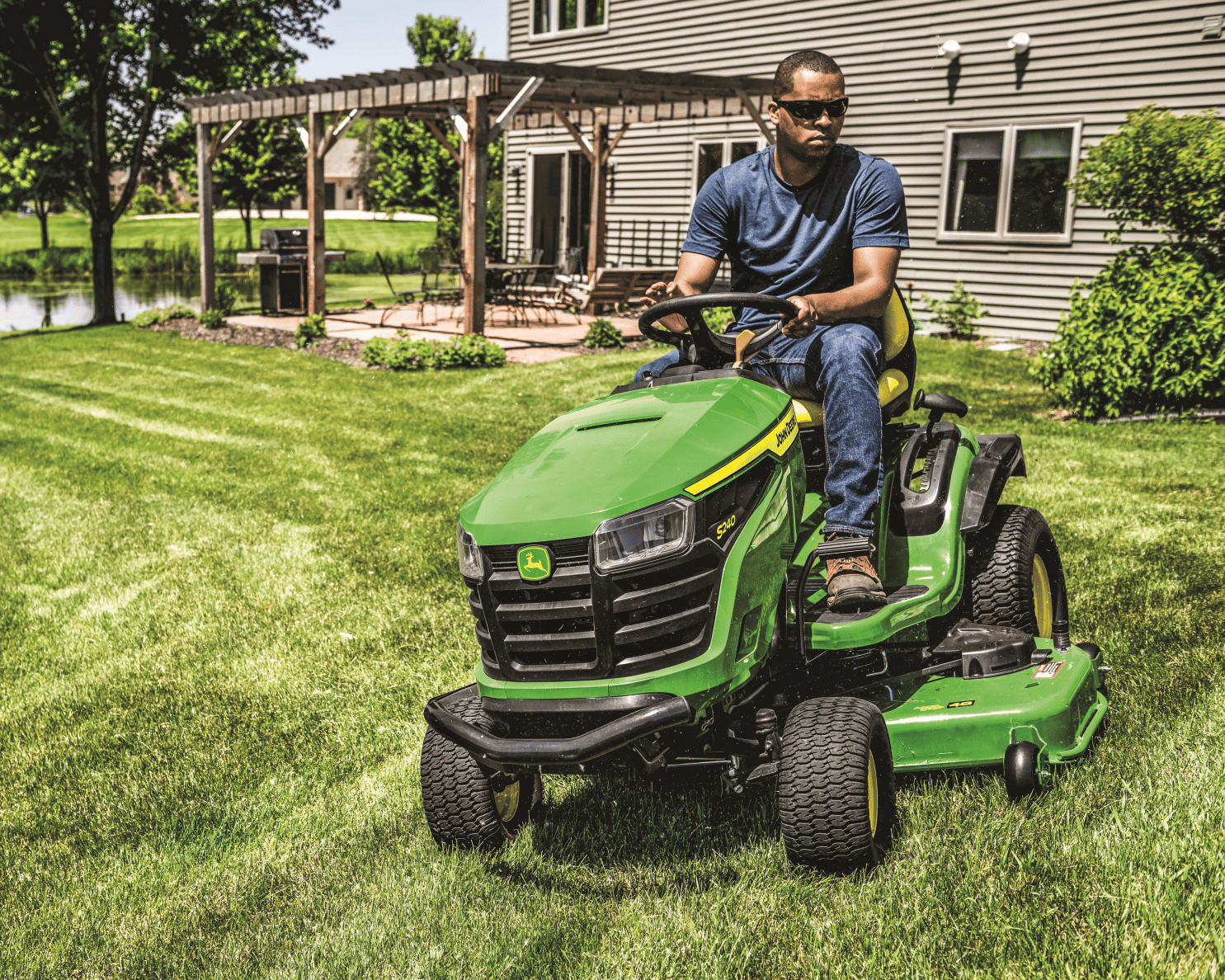
Walking across your lawn shouldn’t feel like navigating a miniature mountain range. Yet if you’ve noticed your yard has turned uneven—making mowing awkward and outdoor activities less enjoyable—you’re dealing with one of the most common complaints among homeowners. The good news? Once you identify what’s causing those bumps, you can tackle the problem at its source instead of guessing your way through expensive fixes.
1. Freeze-Thaw Cycles Create Spring Lumps
If you live anywhere with cold winters, you’ve probably seen your lawn transform into a bumpy mess by late winter or early spring. This happens because moisture in the soil freezes, expands upward, and pushes the turf into small mounds—a process called frost heave. When temperatures rise and the ground thaws, it doesn’t always settle back evenly. You’ll notice widespread shallow bumps and ridges across the lawn, often with no signs of pest damage. The surface usually improves somewhat as spring progresses, but the cycle repeats annually. It’s a structural issue driven by Minnesota’s temperature swings, not something you can prevent entirely.
2. Pests and Animals Leave Their Mark
Sometimes what looks like frost damage is actually the handiwork of creatures living beneath your grass. Moles create raised, linear ridges from shallow tunneling—no visible holes, just winding humps that follow their underground highways. Voles leave shallow surface runways after chewing through grass, especially noticeable after snow melts. Earthworms, while beneficial for soil health, deposit small conical mounds of soil (castings) that feel bumpy underfoot when they accumulate. Ant colonies build sandy mounds with central holes, and larger infestations can create mounds several inches high. Then there are white grubs, which kill grass roots and cause the turf to sink, attracting skunks and raccoons that dig aggressively for a meal, leaving churned soil and flipped sod in their wake. Timing matters here: grub damage peaks mid to late summer, while mole activity surges in spring and fall.
3. Soil Settles and Drains Poorly Over Time
Yards with a history of construction work, buried utility lines, or filled-in trenches often develop depressions as disturbed soil compacts unevenly. These shallow dips worsen after heavy rain, especially in low-lying areas or near downspouts where water accelerates erosion. Newer lawns or sections around foundations are particularly prone to this kind of settling. If you notice sunken spots that collect water and get worse with each storm, you’re looking at a drainage and compaction issue rather than surface-level damage.
4. Foot Traffic and Equipment Compact Soil Unevenly
Walking paths, pet runs, and repeated mower routes create subtle but persistent ruts and grooves. When soil is soft or wet, these high-traffic zones compress more easily, forming low spots that become permanent over time. Pets digging or pacing in favorite spots contribute shallow depressions, while consistent mowing patterns—especially tight turns with a zero-turn mower—leave grooves that deepen with every pass. The unevenness gets more pronounced during wet seasons when saturated soil compresses even more under pressure.
5. Hidden Obstructions Lurk Below the Surface
Tree roots expanding just below the turf, old stumps slowly decomposing, or construction debris left behind during building can all push the surface upward or cause it to sink. You might find hard bumps in isolated spots where roots have grown, or gradual sinking where buried wood or organic material breaks down. These problems tend to resist simple surface repairs—you may need to cut back sod and inspect what’s underneath to find the real culprit.
Taking Action on a Bumpy Lawn
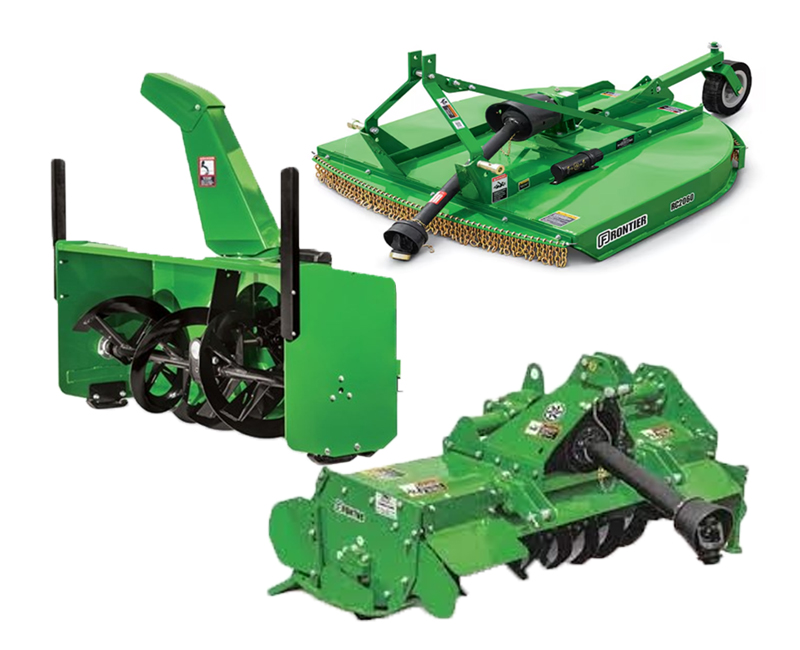
Diagnosing the cause is half the battle. Frost heaves often resolve with light rolling in spring and improved drainage. Pest issues require targeted treatments or professional advice. Settling and compaction need grading, topdressing, or fill work. For serious leveling projects involving gravel driveways, soil grading, or equipment-intensive repairs, local equipment dealers can help you choose the right tools for the job. For instance, Minnesota Equipment provides access to John Deere tractors, attachments, and expert guidance for property owners tackling bumpy lawns and larger land management projects.
Whether you’re smoothing minor frost damage or reshaping an entire yard, the right approach depends on understanding what’s happening beneath your grass. Once you know the cause, you can make informed decisions about the equipment and services that will actually solve the problem—not just cover it up temporarily.