
 MyME
MyME

Spring Startup Guide: Getting Mowers and Tractors Ready After Storage
After a long Minnesota winter, lawn and property equipment needs more than a quick key turn to be spring-ready. Proper startup preparation helps prevent breakdowns, extends equipment life, and ensures machines perform efficiently when workloads increase.
Whether your equipment was professionally winterized or stored at home, taking time to inspect and prepare it before the season begins can save time and frustration later.
Why Spring Startup Matters
Equipment that sits unused for months can develop issues that aren’t immediately visible. Fuel systems, batteries, belts, and cutting components are especially vulnerable during extended storage. Starting the season with overlooked problems can lead to poor performance or unexpected downtime right when demand is highest.
A thorough startup process ensures your equipment operates safely and efficiently from day one.
Key Inspection Areas to Address
Begin with a visual inspection. Look for signs of rodent damage, cracked hoses, frayed belts, or fluid leaks. Tires should be checked for proper inflation and visible wear. Low or uneven tire pressure can affect traction and cutting quality.
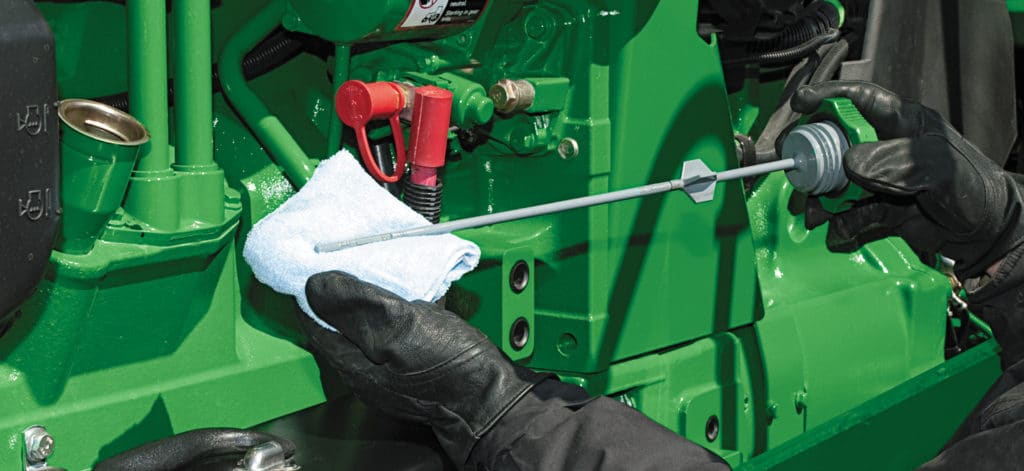
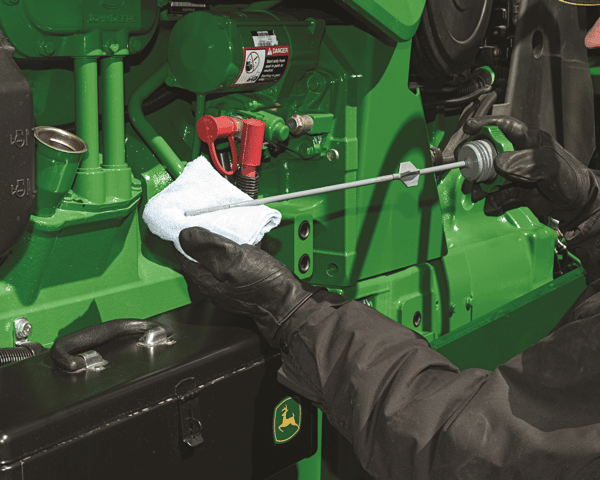
Next, check fluid levels. Engine oil, hydraulic fluid, and coolant should be inspected and replaced if they appear dirty or degraded. Fresh oil helps protect internal components under spring workloads.
Fuel systems deserve special attention. If fuel stabilizer wasn’t added before storage, old fuel should be drained and replaced. Clogged fuel filters or stale fuel can cause hard starts and rough operation.
Battery and Electrical Checks
Cold temperatures can significantly reduce battery life. Test the battery before the first startup and clean any corrosion from terminals. A weak battery may start the machine once but fail under repeated use.
Inspect wiring and safety switches to ensure everything is functioning correctly before operation.
Blades, Belts, and Moving Parts
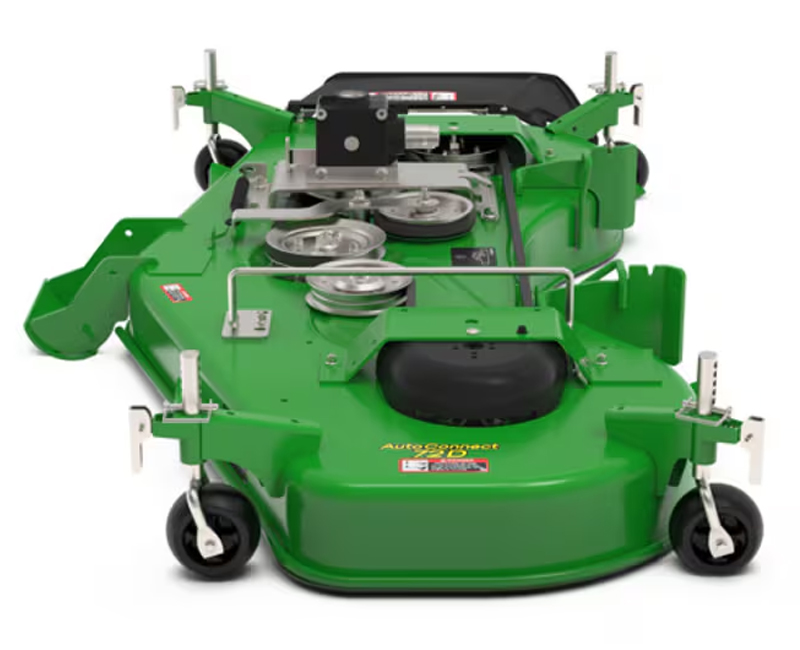
Dull mower blades reduce cut quality and strain engines. Sharpen or replace blades before the season starts. Belts and pulleys should be checked for cracks or glazing and replaced if worn.
Grease fittings and pivot points according to manufacturer recommendations to ensure smooth operation and reduce wear.
Test Before You Work
Once inspections are complete, run the machine at idle and gradually bring it up to operating speed. Listen for unusual noises and watch for vibrations or warning lights. Testing equipment before it’s needed allows time for adjustments or service without delaying projects.
Start the Season Prepared
A proactive spring startup routine helps prevent mid-season interruptions and protects your investment. Dealers like Minnesota Equipment can assist with inspections, replacement parts, and service support to ensure your equipment is ready for the season ahead.