

 MyME
MyME

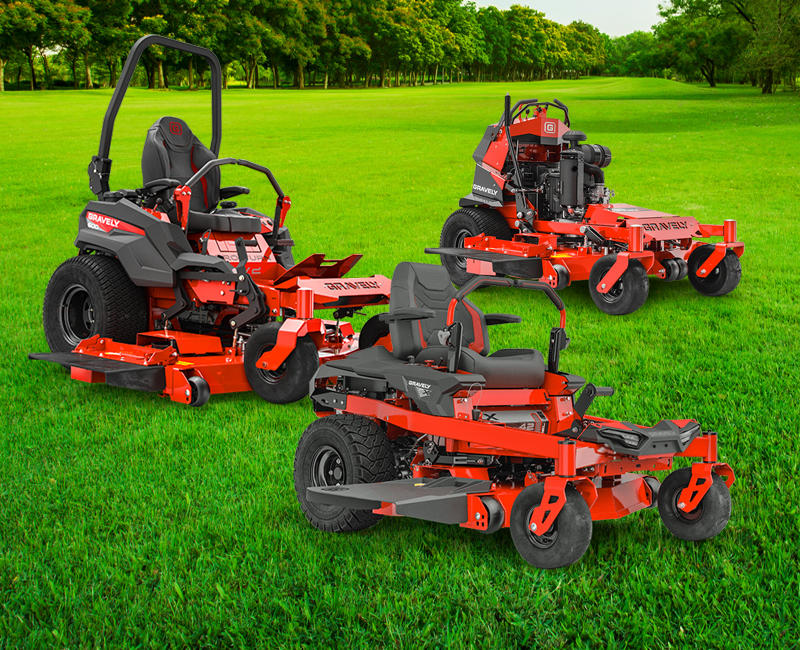
Buying a zero-turn mower used to be a simple choice between a small residential unit and a massive commercial machine. Today the line has blurred. High-end residential mowers now sport features that look professional, while entry-level commercial units have become more affordable for homeowners with large lots. Understanding the mechanical differences between these categories ensures you buy a machine that lasts without paying for capabilities you will never use.
The Deck Construction and Durability Gap
The most visible difference between a residential mower and a light-commercial model is the cutting deck. Standard residential mowers typically use a stamped deck. This means a single sheet of steel is pressed into shape. These decks maximize airflow for a great cut on well-maintained lawns but utilize lighter gauge steel.
Light-commercial mowers move to fabricated or welded decks. Manufacturers like Toro and John Deere use heavy-gauge steel plates welded together to create the deck shell. For example, the Toro TimeCutter line features the IronForged™ deck system designed for durability in rougher conditions. If your property has hidden tree roots, sandy soil that creates a sandblasting effect, or tough field grass, the reinforced edges and thicker steel of a light-commercial deck provide necessary protection against bending and warping.
Transmission Serviceability and Speed
The transmission is the heartbeat of a zero-turn mower. This component often dictates the lifespan of the machine. Residential mowers generally use sealed hydraulic transaxles. These are maintenance-free but effectively disposable. Once they wear out after hundreds of hours of use, the entire unit usually needs replacement.
Light-commercial mowers utilize serviceable hydrostatic transmissions. These systems allow you to change the hydraulic fluid and filters which significantly extends the life of the drive system.
These transmissions also deliver higher ground speeds. A typical residential mower tops out around 7 mph while light-commercial units often push 8 to 10 mph. On a 4-acre property in Rogers or Isanti, that speed difference can save you nearly an hour of cutting time every week.
When to Upgrade to Light-Commercial
Deciding between a top-tier residential model like the John Deere Z500 series or stepping up to a Z700 series depends on your specific terrain and workload. You should strongly consider a light-commercial machine if your property fits these criteria:
- Acreage: You mow more than 3 to 4 acres regularly.
- Terrain: Your yard features steep hills or slopes that require the higher torque and traction of heavy-duty transmissions.
- Rough Conditions: You mow infrequent or rough areas like ditches, trails, or old pastureland where impact damage is a risk.
- Operator Weight and Usage: You plan to tow heavy attachments like aerators or carts which put strain on the frame and drive system.
- Comfort Needs: You require advanced suspension seats or platform isolation to reduce fatigue over long mowing sessions.
The Investment in Longevity
Price is always a factor. A light-commercial mower commands a higher upfront cost than a residential model. That cost pays for heavier steel frames, larger serviceable engines, and components designed for repair rather than replacement. For a homeowner with a flat, half-acre lawn, a residential unit is the smart financial choice. For a property owner maintaining five acres of thick Minnesota bluegrass, the light-commercial unit offers a lower cost of ownership over ten years because it will not require premature replacement.
Making the Right Choice for Your Property
Choosing the right mower involves balancing your budget with the reality of your landscape. A machine that is too small will struggle with Minnesota’s thick spring growth wear out quickly. A machine that is too large may be difficult to maneuver around your landscape beds. Our team can help you compare the specs of specific models from John Deere, Toro, and Ariens to find the exact match for your land.
