
 MyME
MyME


August hits and you’re still mowing weekly, but the lawn’s already slowing down. You know fall is coming—leaves, cleanup, snow equipment testing—but right now you’re stuck between seasons. Do you service the mower now or wait? What about the snow blower sitting in the corner since March?
Late summer is your strategic window. Miss it, and you’re either fixing frozen equipment in November or discovering your leaf blower won’t start when you’re ankle-deep in oak leaves. Use this transition period wisely, and you’ll glide through fall tasks while everyone else scrambles.
Why This Window Matters
Equipment doesn’t care about your schedule. Carburetors clog, batteries die, blades dull, belts crack. Late summer—between the last heavy mowing and first leaf drop—gives you time to address problems before they become emergencies.
Think of it as resetting your equipment lineup. Summer tools get cleaned and stored. Fall and winter tools get tested and moved to accessible storage.
Summer Equipment: Clean and Store
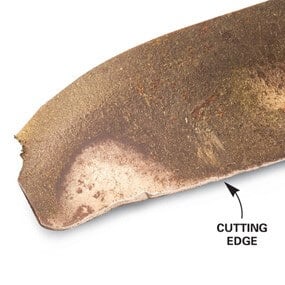
Your mower worked hard all season. Clean the deck thoroughly, removing grass that holds moisture and causes rust. Sharpen or replace the blade—you might mulch leaves soon, and sharp blades handle that better. Check tire pressure for a level cut.
For gas equipment, address fuel now. Add stabilizer and run engines briefly so treated fuel circulates through carburetors. Or run equipment until tanks are empty for long-term storage. Stale gas causes most spring starting problems.
Change oil in four-stroke engines before storage. Used oil contains acids and moisture that corrode parts. Fresh oil protects your investment. Replace dirty air filters and worn spark plugs.
Fall and Winter Equipment: Test Now
Don’t wait for snow to discover your blower is dead. Pull it out now. Change oil, install a fresh spark plug, add stabilized fuel, and run it. Check that the auger engages and controls move freely. Inspect shear pins, scraper bar, and skid shoes.
If you use a tractor or UTV with a plow, attach it now and test hydraulics. Grease fittings. Verify tire chains and wheel weights are ready.
For leaf blowers, clean intake vents and check tubes for cracks. These tools will see heavy use soon—make sure they’re ready.
Battery Care
Remove batteries from equipment that won’t be used in winter. Clean terminals and store in a cool dry place. Maintain lithium batteries at 40-60% charge or use a trickle charger for 12V lead-acid batteries. Maintained batteries start reliably in spring.
Build a Rotation System
Group similar tasks: clean all air filters in one session, sharpen all blades together, change oil on multiple engines the same afternoon.
Reorganize your storage. Move summer equipment back or overhead. Bring fall and winter tools forward. Label bins and hang tools on pegboards.
Some property owners dedicate one weekend to this seasonal reset. Others spread tasks across evenings. Either works, as long as it happens before you’re reactive.
The Payoff
Two hours of late-summer prep prevents ten hours of mid-season breakdowns. Your mower starts when you need to mulch leaves. Your snow blower fires up on the first snowfall. You’re not making emergency runs for parts or waiting on repair shops during their busiest seasons.
For Minnesota property owners managing seasonal transitions, Minnesota Equipment offers pre-season service appointments and tune-ups that take the guesswork out of equipment prep. Their service team handles oil changes, blade sharpening, and full inspections so your tools are ready when conditions change.
Need to build a seasonal maintenance system that actually sticks? Connect with service professionals who understand Minnesota’s short transition windows and can help you stay ahead of the weather instead of chasing it.