 MyME
MyME
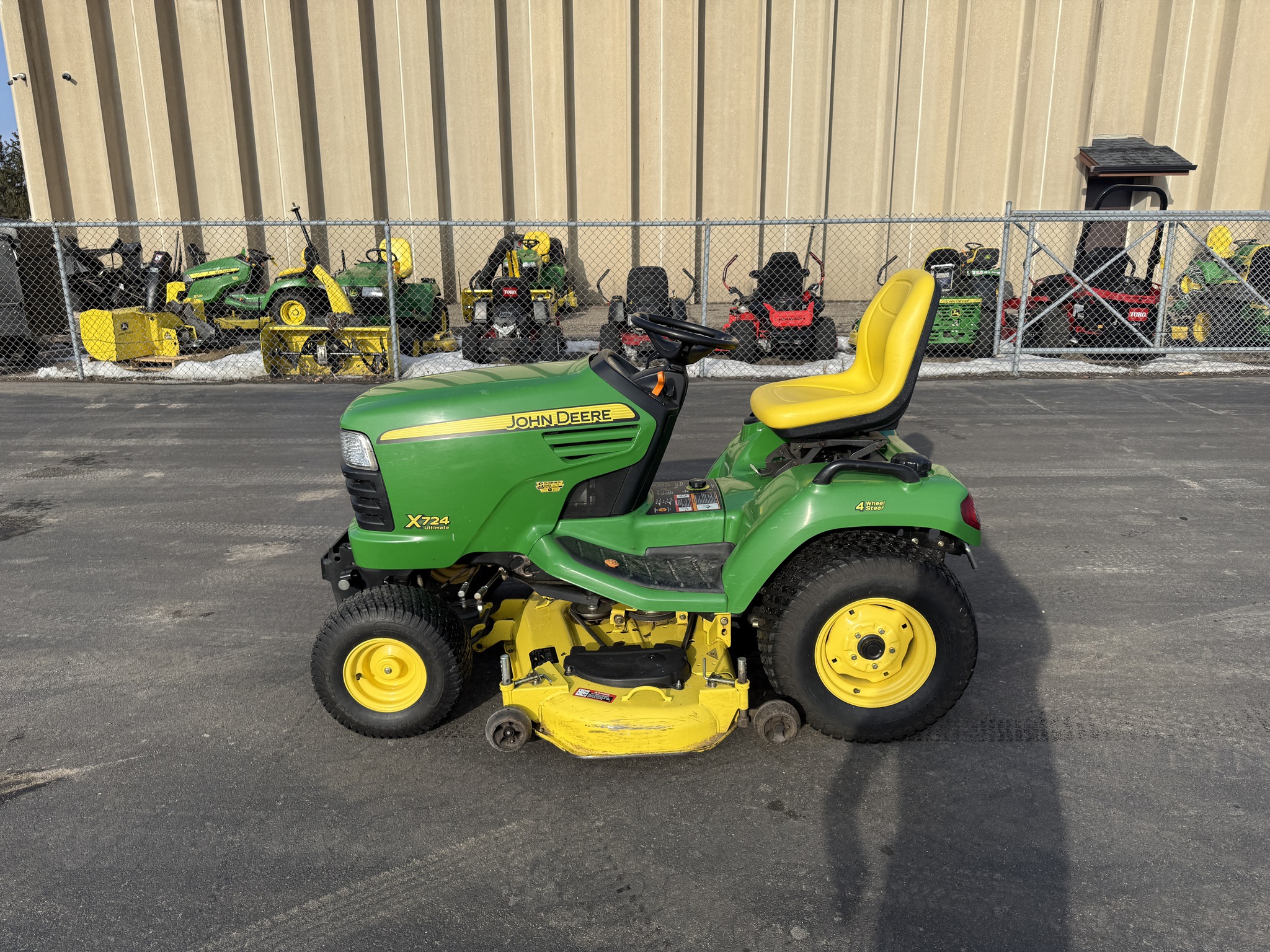
There’s a moment every property owner faces: standing in the garage, staring at a mower that’s technically still running, wondering if it’s time to move on. Maybe it bogs down on hills. Maybe mowing your two acres takes twice as long as it should. Maybe you’ve started eyeing attachments your current machine can’t handle. Knowing when to upgrade isn’t always obvious—wait too long and you’re wasting hours on inefficient equipment, but jump too early and you’ve spent money you didn’t need to spend.
Your Machine Struggles with Routine Tasks
The clearest sign you’ve outgrown your equipment? It can’t keep up with what you’re asking it to do. If your riding mower constantly bogs down in tall grass, overheats on warm days, or requires multiple shallow passes to cut what should be a single pass, you’re pushing it beyond its capacity. Tractors show similar strain—sluggish hydraulics that can’t lift a reasonable load, engines that labor during basic grading work, or frequent stalling when running attachments all point to a machine that’s undersized for your workload.
This isn’t about occasional difficulty in extreme conditions. It’s about consistent, repetitive struggle during normal use. If you’re constantly nursing your equipment through tasks it should handle easily, that’s a signal worth listening to.
You Can’t Do What You Need to Do
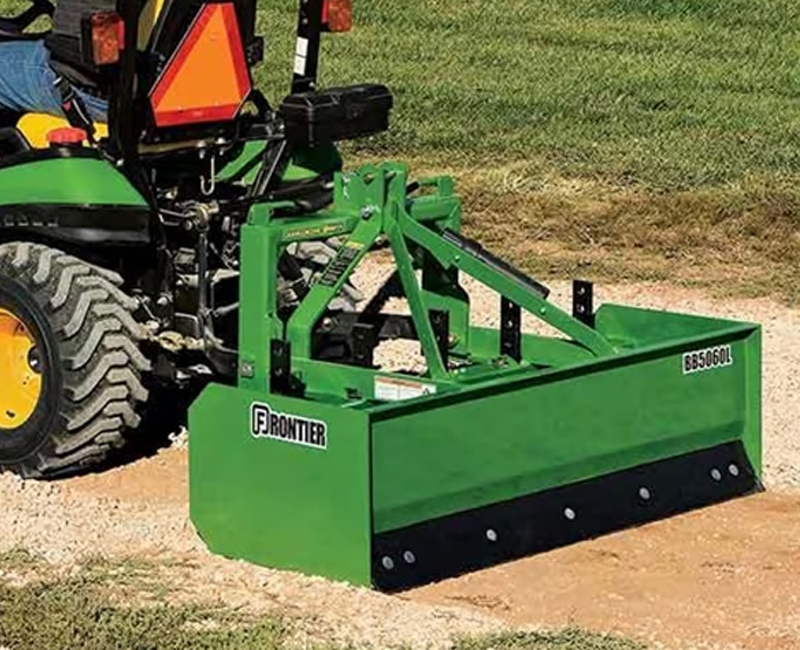
Equipment limitations become especially frustrating when they prevent you from tackling projects you want (or need) to complete. You’ve bought a rotary cutter, but your sub-compact tractor doesn’t have the PTO horsepower to run it effectively. You need to move snow in winter, but your mower lacks the hydraulic flow for a quality blower attachment. Your loader can’t lift the weight you’re trying to move, or your three-point hitch won’t accommodate the implements you need.
When your wish list of attachments consistently exceeds your machine’s capabilities, you’re not being unrealistic—you’ve simply outgrown what you own.
Tasks Take Far Too Long
Efficiency matters more than people realize. Spending three-plus hours mowing a lawn that a larger deck could finish in ninety minutes doesn’t just cost time—it costs energy, motivation, and the ability to tackle other property maintenance before the weekend ends. Grading a driveway shouldn’t require five passes and constant reworking. Hauling mulch or moving firewood shouldn’t eat an entire afternoon.
If routine tasks feel like endurance tests, a more capable machine would likely pay for itself in time saved and frustration avoided. This is especially true as properties grow or as physical demands become harder to manage with age.
Safety Concerns Keep Popping Up
Equipment that tips easily on slopes, loses traction in conditions it should handle, or lifts the front wheels during routine loader work isn’t just annoying—it’s dangerous. Rear wheels spinning out on moderate inclines, front-end instability when carrying loads, or repeated near-incidents where the machine feels out of control all suggest you’re operating at or beyond safe limits.
If you’re adding ballast constantly, avoiding certain areas of your property, or feeling nervous about tasks that should be straightforward, the machine isn’t matched to your terrain or workload.
Your Property or Needs Have Changed
Life doesn’t stand still, and neither do property needs. Expanding from two acres to ten, adding livestock, starting a large garden, or taking on a hobby that requires land management all shift what “adequate equipment” means. Moving from suburban lawn care to rural acreage work is a classic example—a riding mower that was perfect for a half-acre lot becomes laughably inadequate when you’re managing fields, driveways, and pasture maintenance.
Even without adding acreage, changing how you use your property can justify an upgrade. Deciding to maintain your own gravel driveway, clear trails, or manage firewood processing all introduce demands your current equipment may not meet.
Before You Jump: Consider Workarounds
Not every limitation requires a full upgrade. Sometimes adding an attachment, adjusting technique, or renting equipment for one-off projects makes more sense than buying new. If a task is rare—say, digging footings for a deck—renting a larger machine for a weekend might be smarter than upgrading permanently.
Adding ballast weight, switching to different implements, or breaking tasks into smaller sessions can extend your current equipment’s useful life. If your machine handles 80% of what you need and only struggles occasionally, working around those edge cases might be the practical choice.
That said, if you’re constantly problem-solving just to accomplish basic work, you’re past the workaround stage.
Avoiding Common Mistakes
Under-buying is a classic trap—purchasing equipment that barely meets today’s needs with zero margin for growth. Within a year or two, you’re back where you started, wishing you’d stepped up one size. On the flip side, over-buying causes its own problems: maneuverability issues on smaller properties, higher costs, and turf damage from machines that are simply too heavy or wide for the space.
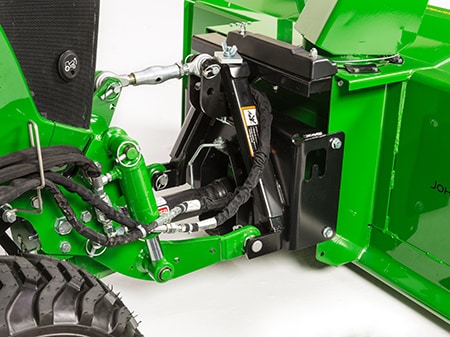
Ignoring compatibility is another pitfall. Assuming new attachments will fit your old tractor without checking PTO type, hydraulic flow, or hitch category leads to expensive disappointments. Do the homework before committing.
Making a Confident Decision
Upgrading equipment is part practical calculation, part gut check. If your current machine consistently limits what you can accomplish, takes too long to do basic work, or raises safety concerns, you’re likely past the point where small adjustments will help. Talking through your specific situation with local equipment experts can clarify whether an upgrade makes sense now or if you’re better off waiting. For instance, Minnesota Equipment works with property owners to match John Deere mowers and tractors to actual workload demands, helping customers avoid both under-buying and over-investing.
Whether you’re considering a step up from a mower to a compact tractor or moving to a larger machine with more capability, the right choice depends on honest assessment of what you’re doing today and where your property needs are heading. When you’re ready to explore options that fit your situation, starting with knowledgeable guidance helps you invest in equipment that serves you for years, not just seasons.