
 MyME
MyME

As fall wraps up and mowing season comes to an end, properly storing your equipment is one of the most important steps you can take to protect your investment. Taking time to winterize mowers and tools helps prevent corrosion, fuel issues, and costly repairs when spring arrives.
This guide covers the key steps for winterizing and storing lawn equipment so it’s ready to perform when the next season begins.
Why Fall Equipment Storage Matters
Cold temperatures, moisture, and long periods of inactivity can take a toll on outdoor power equipment. Improper storage often leads to fuel system problems, battery failure, rust, and hard starting in the spring.
Winterizing your equipment helps:
- Extend equipment life
- Prevent fuel-related damage
- Reduce spring maintenance needs
- Protect critical components during storage
Clean Equipment Before Storage
Before putting any equipment away, thoroughly clean it.
Remove grass clippings, dirt, and debris from mower decks, blades, and housings. Built-up material can trap moisture and cause corrosion over time. Washing and allowing equipment to dry completely is especially important before long-term storage.
Fuel System Preparation
Fuel is one of the most common causes of off-season equipment issues.
Stabilize or Drain Fuel
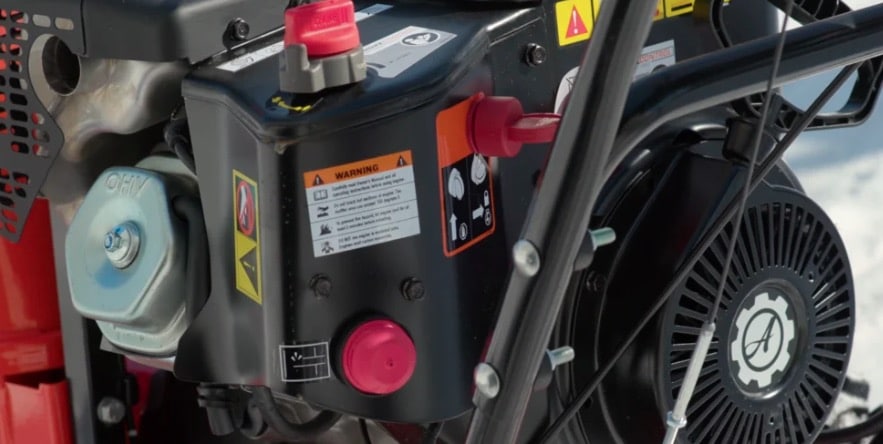
For equipment with gasoline engines, add a fuel stabilizer and run the engine briefly to circulate it through the system. This prevents fuel breakdown and carburetor problems.
In some cases, draining the fuel system may be recommended. Always follow manufacturer guidelines for your specific equipment.
Change Oil and Filters
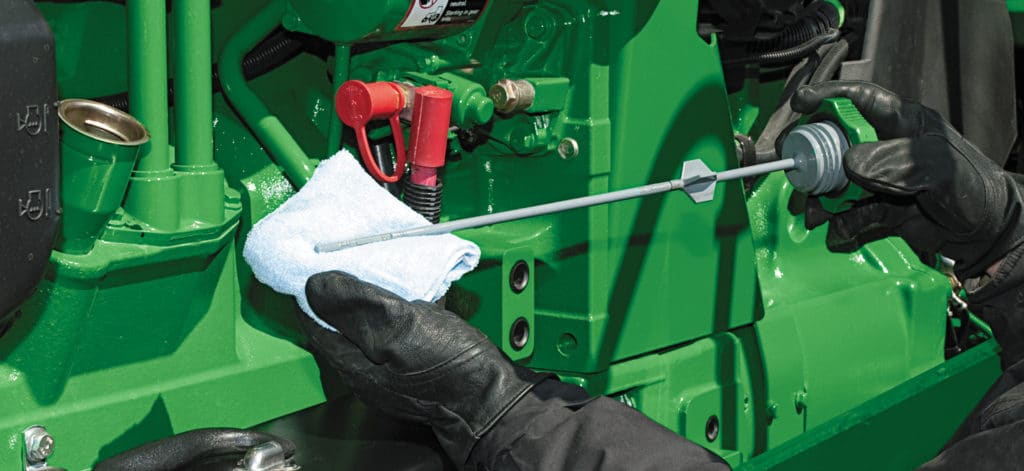
Changing oil before storage removes contaminants that can cause internal engine damage during inactivity. Replacing oil and air filters at the end of the season ensures your equipment is ready for use in spring without additional prep.
Inspect and Sharpen Blades
Fall is a good time to inspect mower blades and cutting components. Sharpening or replacing worn blades before storage prevents rust buildup and saves time when the next season begins.
Damaged blades should be repaired or replaced to avoid vibration and uneven cuts.
Battery Care and Storage
Batteries are especially vulnerable during winter.
- Disconnect batteries from equipment
- Store them in a cool, dry location
- Keep batteries charged throughout winter using a maintainer if recommended
This helps prevent deep discharge and extends battery life.
Protect Tires and Moving Parts
Check tire pressure before storage and inflate to recommended levels. Flat or underinflated tires can develop flat spots over time.
Lubricate moving parts, grease fittings, and pivot points to protect against moisture and corrosion.
Choose the Right Storage Location
Whenever possible, store equipment indoors in a dry, sheltered space. Garages, sheds, and barns provide protection from snow, ice, and temperature extremes.
If indoor storage isn’t available, use equipment covers designed for outdoor storage and elevate equipment slightly to prevent ground moisture exposure.
Prepare Handheld Tools and Accessories
Handheld tools such as string trimmers, blowers, and chainsaws also require winterization. Empty or stabilize fuel, clean air filters, inspect wear parts, and store them in a dry location.
Organizing tools and attachments during storage makes spring setup faster and easier.
Schedule Off-Season Service if Needed
Late fall and winter are ideal times to schedule professional maintenance. Addressing repairs and tune-ups during the off-season helps avoid spring service backlogs and ensures equipment is ready when you need it.
Get Help with Equipment Storage and Maintenance
Minnesota Equipment provides service, parts, and expert support to help prepare mowers and tools for winter storage. Their team can assist with seasonal maintenance, blade sharpening, battery replacement, and off-season service planning.
Proper winterization protects your equipment and helps ensure a smooth start to the next mowing season.