
 MyME
MyME

Summer in Minnesota means rapid grass growth and long days in the operator’s seat. While your commercial mower or compact tractor is built to handle the workload, the combination of high ambient temperatures and extended run times creates a phenomenon known as equipment fatigue. This refers to the cumulative stress placed on your machine’s engine, hydraulics, and chassis during the peak of the season. Understanding where this stress accumulates helps you prevent costly downtime when you need your equipment the most.
Heat Stress on Hydrostatic Transmissions and Engines
Heat is the primary enemy of outdoor power equipment during July and August. Your engine and hydrostatic transmission rely on air cooling and fluid circulation to regulate temperature. When you run a machine for four, six, or eight hours continuously, the oil temperatures stabilize at an elevated value.
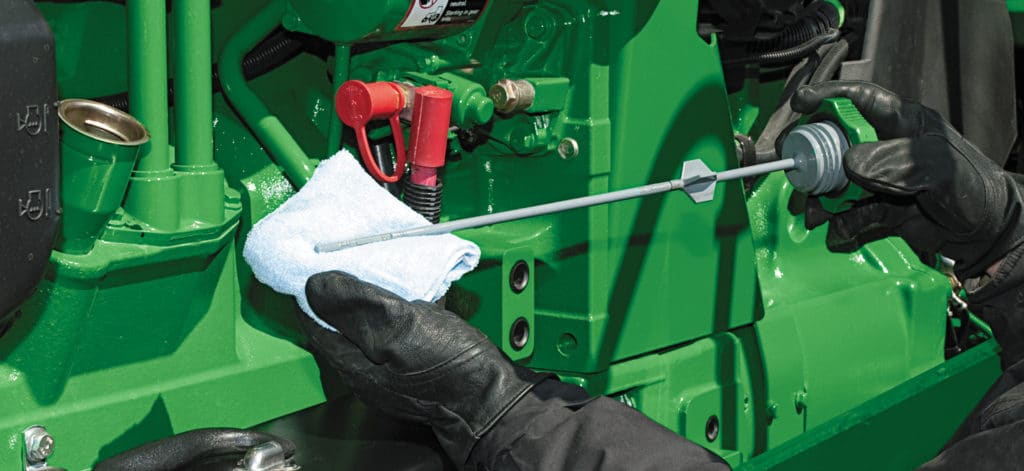
If cooling fins are clogged with chaff or dust, that heat has nowhere to escape. Over time, this causes oil to break down faster and lose its viscosity. This thinning of the oil reduces protection for internal components and can lead to a sluggish response in your drive system. Keeping cooling fins clear and adhering to strict fluid change intervals is the best defense against thermal breakdown in the summer.
Vibration and Component Loosening
Continuous operation creates constant vibration that affects the entire chassis of your machine. While heavy-duty frames on John Deere or Gravely mowers are welded to resist this, the fasteners and dynamic components attached to them are susceptible to loosening over time.
Pay close attention to these specific areas after long mowing sessions:
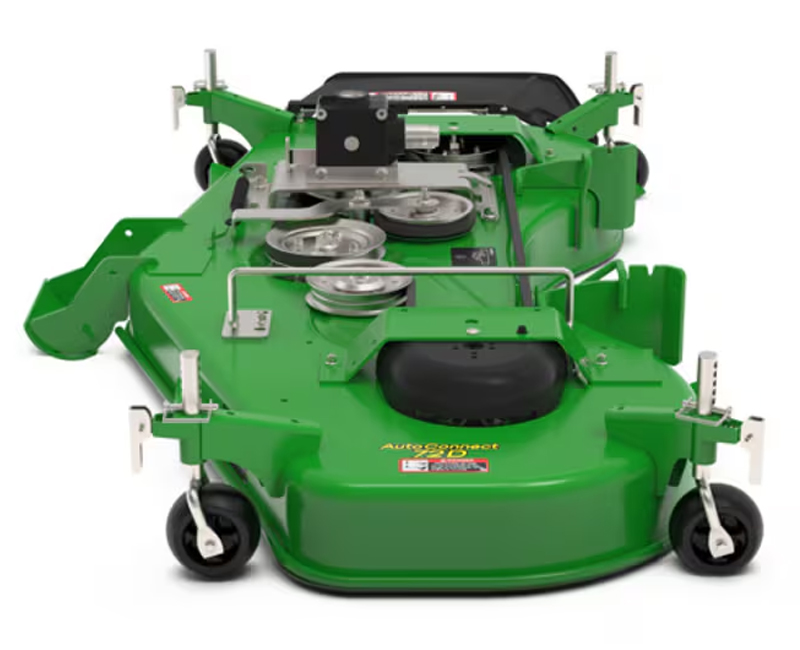
- Deck Hanger Hardware: The nuts and bolts suspending your mower deck experience significant movement and can back off without regular torque checks.
- Idler Pulleys: The constant tension and heat can cause bearings in idler pulleys to wear or seize if not monitored.
- Belt Stretch: Heat and tension cause drive and deck belts to stretch, which reduces blade tip speed and cut quality.
- Anti-Scalp Wheels: These take a beating on uneven terrain and often lose axle bolts during long shifts.
- Throttle and Choke Cables: Vibration can cause cable clamps to loosen, leading to poor engine performance or difficult starting.
The Compounding Effect of Dull Cutting Systems
Equipment fatigue often starts at the cutting edge. Mower blades dull naturally after 20 to 25 hours of use, but hitting sandy ant hills or dry patches accelerates this wear. A dull blade increases the resistance against the rotation of the deck. This resistance forces the engine to work harder to maintain RPMs and increases the load on the clutch and belts. Sharpening your blades is a crucial part of mower maintenance, reducing the overall load on your powertrain. When the cutting system flows smoothly, the engine runs cooler and burns less fuel.
Keeping Your Equipment Field-Ready
Managing equipment fatigue requires a proactive approach to maintenance during the busy season. You do not need to rebuild your machine every week, but you should perform a walk-around inspection after every long mow to catch loose hardware or packed debris. If you notice your hydrostatic drive feeling weak when hot or hear unusual rattles from the deck, it is time to bring it in for professional attention. Our service team at Minnesota Equipment specializes in diagnosing summer wear and tear to get you back to work quickly. We stock the OEM belts, blades, and fluids you need to maintain the high performance of your machine.