
 MyME
MyME
An uneven lawn is more than just an eyesore—it makes mowing awkward, creates tripping hazards, and turns puddles into permanent features after every rain. The nuclear option is tearing everything up, regrading, and starting over with new sod or seed. But for most homeowners dealing with mild to moderate unevenness (dips and bumps less than one to two inches), that’s overkill. You can smooth out a bumpy yard gradually over a season or two without killing the existing grass or renting heavy equipment. The key is knowing which techniques actually work and which ones waste your time.
Topdressing: The Gradual Smoothing Method
Topdressing means spreading a thin layer—usually a quarter to half inch—of leveling material over existing grass, working it into the turf, and repeating seasonally until the surface evens out. It’s the most effective low-impact method for addressing shallow depressions, minor bumps, or general unevenness without tearing up your lawn. The material settles into low spots, grass grows through it, and over time the surface becomes noticeably smoother.
Timing matters. Apply topdressing in spring or early fall when cool-season grass is actively growing and can recover quickly. Mow the lawn slightly shorter than usual (but don’t scalp it), spread your leveling mix across bumpy areas, then work it into the turf using a leveling rake or stiff broom. Water lightly to help it settle. One application won’t fix everything—plan on repeating the process two to three times per year until you’re satisfied with the results.
Material choice depends on your soil type and what you’re trying to accomplish. A mix of 70% sand and 30% compost works well for general leveling, though some property owners prefer 50% topsoil, 25% compost, and 25% sand for better nutrient content. Screened topsoil alone works for larger fills where you need consistency with your native soil. Avoid using straight sand on clay-heavy lawns without mixing in compost or soil—it can create drainage problems rather than solving them.
Spot Repairs for Isolated Problem Areas
When you’ve got a specific bump or deep depression that topdressing alone won’t fix, spot repair is the answer. Cut around the problem area with a flat shovel, peel back or remove the sod carefully, then either add or remove soil underneath as needed. Tamp the adjusted soil firmly, replace the sod, and water thoroughly. This works beautifully for filling animal holes, sunken spots where old stumps decomposed, or long-standing low areas that collect water.
The advantage of spot repair is precision—you’re addressing the exact problem without affecting the rest of the lawn. The disadvantage is labor. Each repair takes time, and if you’ve got dozens of spots to fix, it becomes tedious. For properties with widespread unevenness, topdressing is more practical. For isolated trouble spots, targeted repairs get you results faster.
Combining Aeration with Topdressing
If your lawn is compacted—common on clay soil or areas with heavy foot traffic—core aeration paired with topdressing delivers double benefits. Aerate first using a core aerator (not a spike aerator), which pulls out plugs of soil and relieves compaction. Leave the plugs on the surface or break them up with a rake or mower, then spread your leveling mix over the lawn. The topdressing material settles into the aeration holes, improving both levelness and soil structure simultaneously.
This combination is especially effective on lawns that feel bouncy or spongy, or where water pools on the surface after rain. The aeration opens pathways for oxygen, water, and nutrients to reach roots, while the topdressing addresses surface irregularities. It’s more work upfront, but the results justify the effort.
Surface Smoothing with Drag Mats or Leveling Rakes
After topdressing, a drag mat or leveling rake redistributes the material evenly and smooths out minor surface irregularities. Commercial drag mats work well, but you can improvise with a section of chain link fence, a heavy doormat, or a carpet remnant dragged behind a mower or ATV. This technique doesn’t fix unevenness by itself—it enhances the topdressing process by ensuring even coverage and breaking up clumps.
Use a drag mat after aerating, too. Dragging the surface breaks up soil plugs and redistributes them, accelerating decomposition and smoothing the lawn without extra effort.
What Won’t Work (and What to Avoid)
Rolling a bumpy lawn with a heavy roller might seem like an obvious fix, but it rarely solves the problem and often makes things worse by compacting soil. Use rollers sparingly—only for pressing down frost heaves in early spring or firming newly laid sod, and never on dry or saturated ground. Repeated rolling closes off air pockets in the soil, which is the opposite of what healthy turf needs.
Also, recognize when gradual leveling isn’t enough. If differences exceed two to three inches, if more than 30 to 40 percent of your lawn is severely uneven, or if you’re dealing with major drainage issues or poor grading, incremental fixes won’t cut it. In those cases, partial or full regrading becomes necessary despite the higher cost and effort.
Long-Term Maintenance for Smoothness
Once you’ve leveled your yard, keep it smooth by addressing problems before they worsen. Annual topdressing with compost gradually levels minor dips while enriching the soil. Change mowing patterns regularly to prevent ruts or repetitive grooves from forming. Avoid driving on wet soil, which creates impressions and compaction. Regular aeration—especially on clay soils—prevents the soil from heaving unevenly during freeze-thaw cycles.
Getting the Approach Right for Your Property
Topdressing, spot repairs, and aeration work for most residential lawns dealing with mild to moderate unevenness. These methods preserve your existing turf, cost less than full renovation, and deliver noticeable improvements over one to two seasons. The trade-off is patience—you won’t fix everything in a weekend.
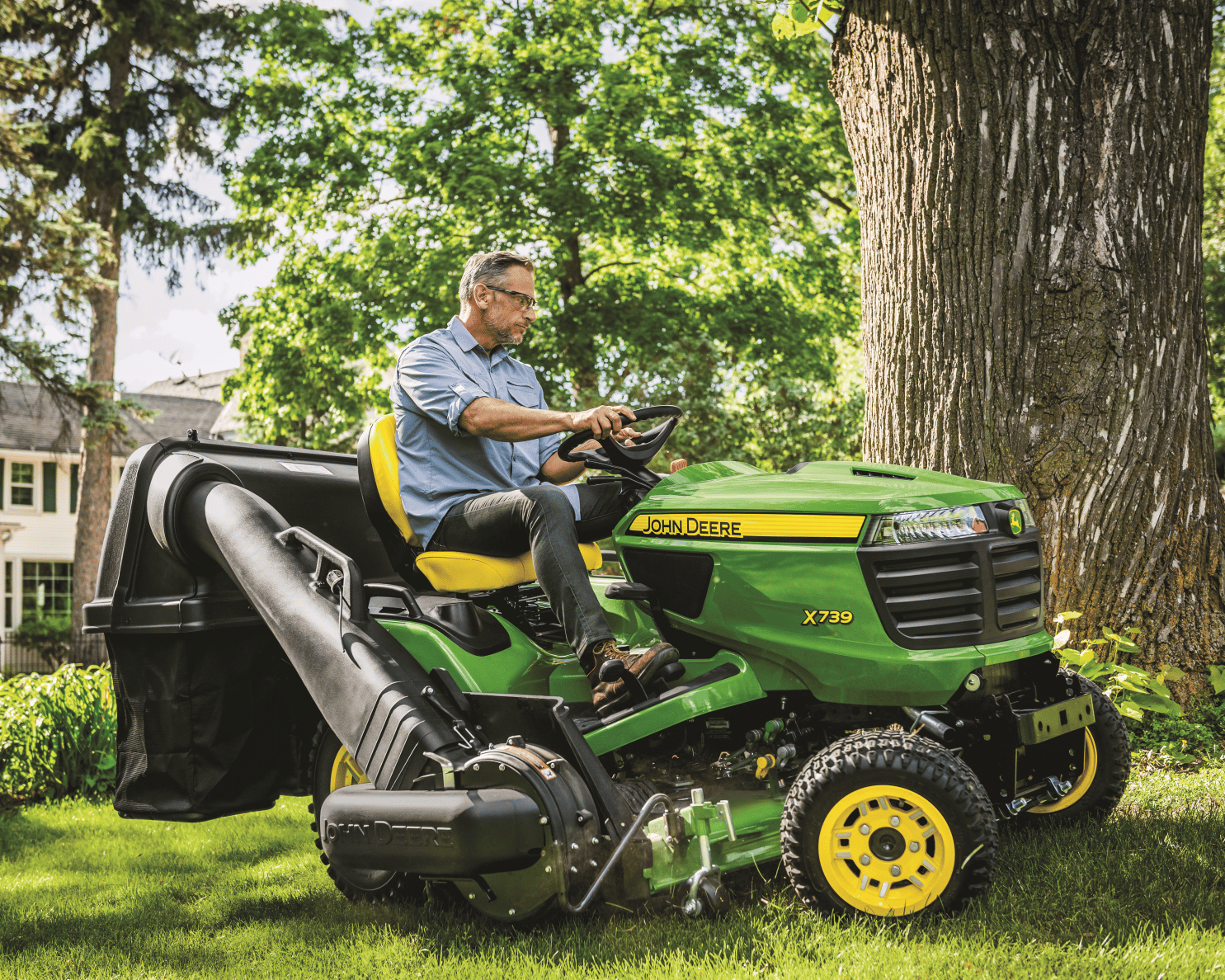
If you’re tackling significant leveling work or need equipment to make the job manageable, local dealers who specialize in lawn and property maintenance equipment can guide you toward the right tools. For instance, Minnesota Equipment offers John Deere tractors, loaders, and grading attachments that handle topdressing material transport, spreading, and leveling work efficiently, with staff who can recommend setups based on your property’s specific challenges.
Whether you’re smoothing out minor bumps or addressing persistent low spots, the right approach transforms an uneven lawn without the expense and disruption of starting over. When you’re ready to explore equipment options that support gradual leveling work, getting advice from people who understand soil management and turf recovery helps you invest in solutions that actually deliver results.