
 MyME
MyME

August in Minnesota usually brings heat and high humidity, so thinking about fall clean-up might feel premature. However, seasoned property owners know the window between lush green grass and a yard full of heavy leaves closes quickly. Taking time in early August to inspect and prep your machinery prevents downtime when you actually need to work.
Your tractor or zero-turn mower faces significantly higher stress when mulching dense leaf cover or driving a high-capacity material collection system. A proactive approach now keeps your equipment running smoothly through the heavy harvest season.
Inspect and Sharpen Your Blades for Heavy Lifting
Mulching leaves requires more cutting power than mowing grass. Standard lift blades often struggle to pulverize leaves effectively, leaving large pieces that can smother your turf before winter. Switch to high-lift or dedicated mulching blades before the leaves start falling. These blades create a vacuum effect that pulls leaves upright and cuts them multiple times.
Even if you already use mulching blades, check their condition. A dull edge tears grass and fails to shred leaves efficiently. Remove the blades and inspect them for nicks, cracks, or rounded edges. Sharpening them now allows your mower to process high volumes of organic matter without bogging down the engine. If the blades are thin or damaged, replace them with OEM parts to maintain the correct balance and airflow for your specific deck.
Clear the Deck to Maximize Airflow
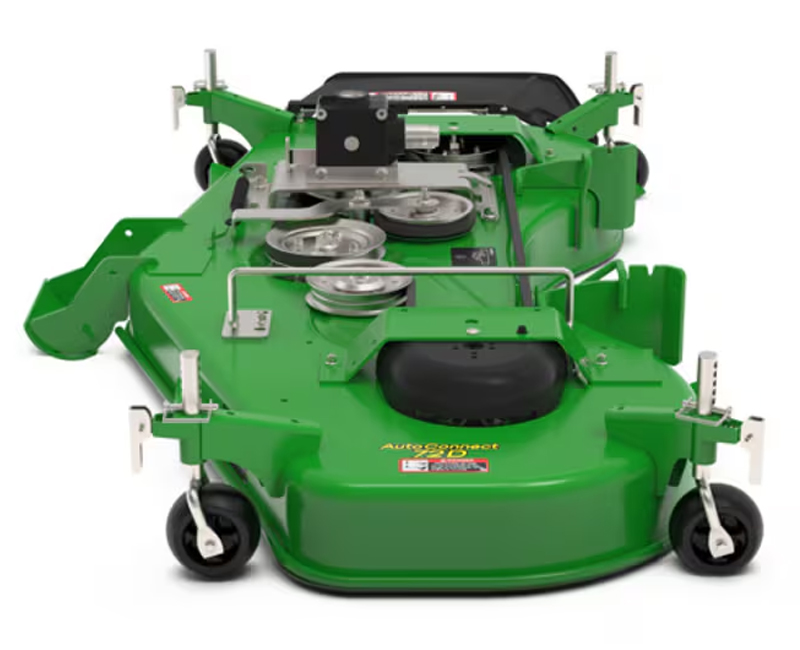
Efficient leaf collection depends entirely on airflow. A mower deck packed with dried summer grass clippings cannot generate the suction needed to move leaves up the chute and into your hopper. Scraping the underside of the deck is a critical step in August preparation.
Follow these steps to restore proper airflow:
- Scrape the deck shell: Use a putty knife or scraping tool to remove hardened grass layers from the baffles and discharge chute.
- Inspect the drive belt: Leaf collection systems put extra load on the mower deck belt. Check for fraying, glazing, or cracks and replace if signs of wear exist.
- Check the chute and hopper: Inspect your material collection system (MCS) tubes for cracks and verify that the hopper mesh is clean to allow air to escape.
- Lubricate pulleys: grease the spindles and idler arm pivot points to keep the deck running cool under the heavier load of fall cleanup.
Service the Engine for High-Load Operation
Processing heavy layers of leaves forces your engine to work harder than it does during a light mid-summer trim. Old oil and clogged filters reduce the engine’s ability to handle that increased torque requirement. Check your air filter first. August dust often clogs filters, restricting air intake and causing the engine to run rich or lose power. Replace a dirty paper filter or clean a foam pre-filter.
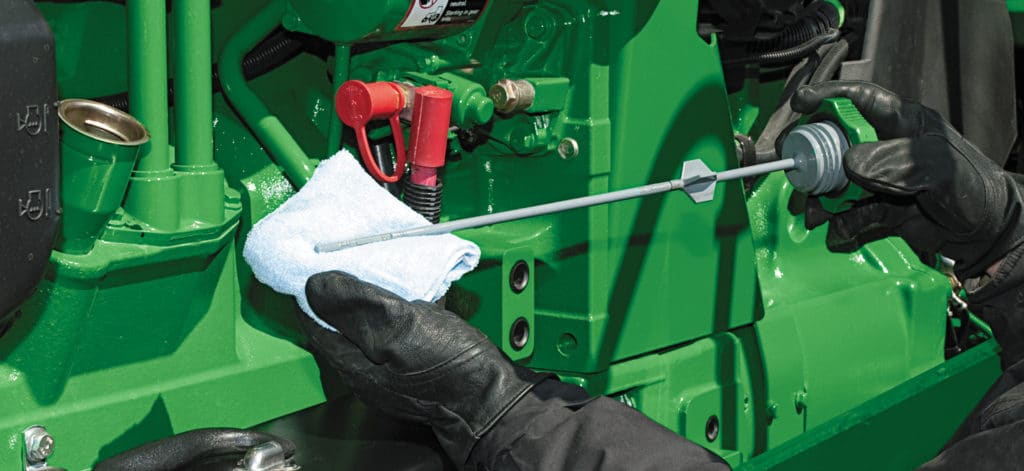
Check your engine oil level and condition. If the oil is dark or near the change interval, service it now. Fresh oil lubricates better at high operating temperatures and protects the engine as it works hard to mulch debris. Finally, check your cooling fins. Debris packed into the cooling fins can cause overheating, which is a major risk when running the engine at full throttle to manage leaves.
Get Ahead of the Fall Rush
Waiting until the leaves bury your lawn often leads to frustration if you discover a broken belt or dull blade at the last minute. Inspecting your equipment in August gives you ample time to order parts or schedule service before the autumn rush hits our service centers. Whether you need a new set of Gator blades, a tune-up kit, or a new material collection system for your John Deere or Toro, our team can help you identify the right solution for your specific machine.