
 MyME
MyME

Minnesota seasons demand a lot from your equipment. Whether you are clearing heavy, wet snow in January or mowing thick, rapid spring growth in May, your engine works under high loads. Pushing your machine beyond its limits causes “overstress,” a condition where the engine load exceeds its ability to produce power. This generates excessive heat and internal pressure that will destroy components if ignored. Catching these signs early saves you from expensive rebuilds and keeps your equipment running when you need it most.
Listen for Lugging and Knocking
Your engine talks to you while you work. The most common sign of overstress is “lugging.” This happens when the engine speed drops significantly below its rated RPM while the throttle is wide open. You will hear the pitch of the engine drop and feel the machine struggle to maintain momentum. This is the sound of the fuel-air mixture igniting prematurely or inefficiently, which hammers the internal pistons.
A sharp, metallic “pinging” or “knocking” sound is even more serious. This often indicates pre-ignition or detonation caused by overheating or poor fuel quality under heavy load. If you hear this, stop immediately. Reduce your ground speed or take a smaller bite of the material you are cutting or moving. Ignoring this sound often leads to broken connecting rods or ruined bearings.
Watch for Smoke Signals
Exhaust smoke is a reliable indicator of what is happening inside the combustion chamber. A healthy modern engine should run clean, but stress changes the exhaust color.
- Black Smoke: This usually means the engine is overloaded or “starving” for air. The engine is injecting more fuel than it can burn to try and meet the power demand. This is common when mowing grass that is too tall or wet.
- White Smoke: In diesel engines, this can signal unburnt fuel from low cylinder compression or a cooling system failure where coolant enters the combustion chamber.
- Blue Smoke: This indicates oil is burning. Overstress often overheats piston rings, causing them to lose their seal and allowing oil to leak into the cylinder.
Feel for Vibration and Sluggish Response
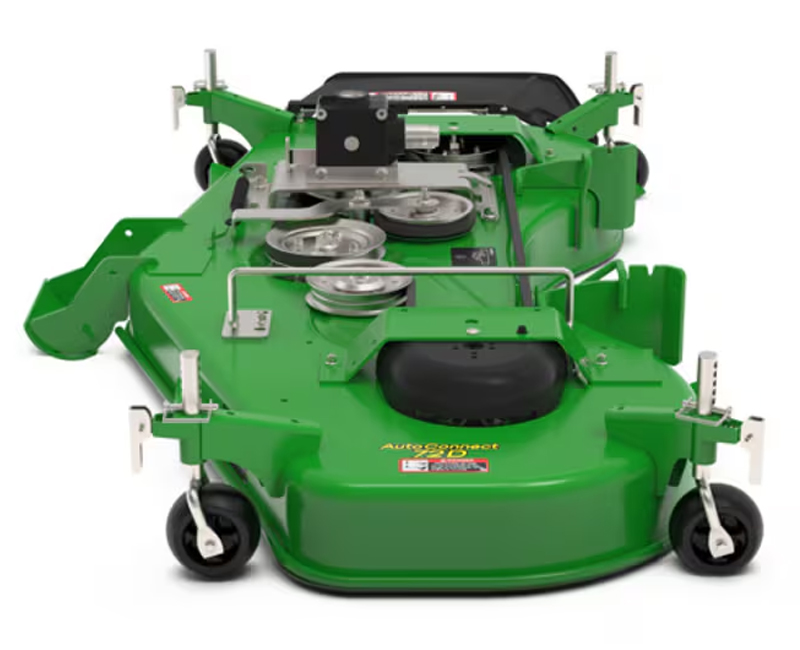
Physical feedback tells you as much as gauges do. Excessive vibration is a clear warning. While some vibration is normal, a sudden increase often means a rotating part is out of balance or the engine mounts are failing under torque. In mowing decks, this often points to a bent blade or a spindle struggling against wrapped debris.
Pay attention to your hydrostatic transmission as well. If the machine feels sluggish or “whines” loudly when climbing hills or pushing snow, the hydraulic fluid may be overheating. Hot fluid thins out and loses its ability to transfer power, leading to internal pump damage. Let the machine idle for a few minutes to cool down if you notice a loss of responsiveness.
Check Your Fluids and Filters
Regular physical inspections reveal stress before you start the engine. Your oil and filters hold the evidence of how hard the engine is working.
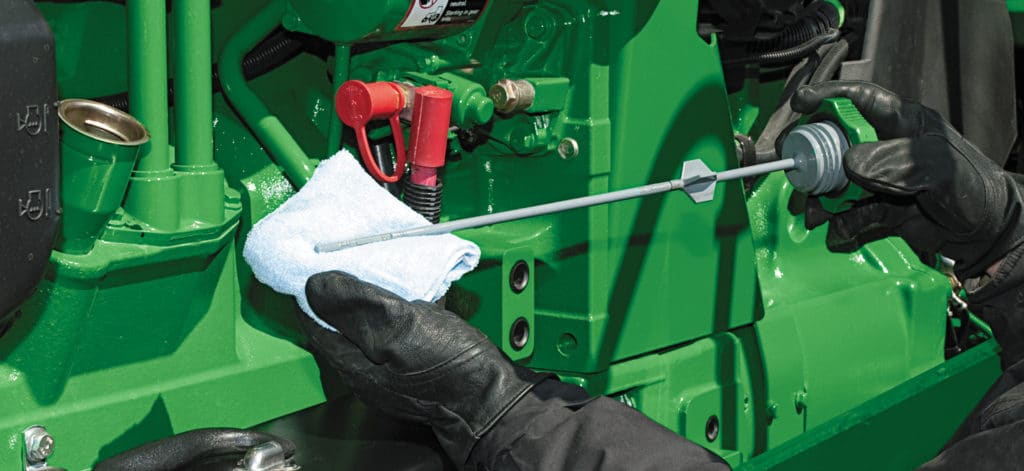
- Inspect Oil Condition: Pull the dipstick and look for metal flakes or a “glittery” appearance. This indicates internal metal-on-metal wear.
- Check Spark Plugs: On gas engines, pull the plug and look at the ceramic insulator. If it is blistered or pure white, the engine is running too hot.
- Examine Air Filters: A clogged filter forces the engine to work harder to breathe. If you operate in dusty Minnesota summers, check this frequently to prevent suffocation.
Protect Your Investment
Recognizing these signs allows you to adjust how you operate. Simple changes like slowing down, sharpening blades, or cleaning cooling fins prevent heat buildup and reduce load. Equipment that runs within its limits lasts longer and holds its value better. If you suspect your machine has already suffered from overstress, or if you want a professional inspection to start the season right, our service team can help.