

 MyME
MyME
Fuel prices often fluctuate right when you need your equipment the most. Whether you manage a commercial fleet or maintain a large acreage in Minnesota, the cost of filling up adds up quickly during peak mowing season. Many operators unknowingly increase their fuel bills through overlooked maintenance issues or inefficient operating habits. You can keep more money in your pocket this season by optimizing how your tractors and mowers perform.
The High Cost of Dull Blades
One of the most common causes of wasted fuel is a dull cutting edge. A dull blade tears the grass rather than slicing it cleanly. This ragged cut forces the mower’s engine to work significantly harder to push through the turf. The engine burns more fuel to compensate for the increased resistance.
Research suggests that using dull blades can increase fuel consumption by as much as 22%. Sharpening your blades is a simple maintenance task that yields immediate savings. You should generally aim to sharpen blades every 20 to 25 hours of use, or at least once per mowing season. If you notice your lawn looks brown or uneven after a cut, it is likely time to sharpen them.
Maintenance Habits That Improve Efficiency
Routine maintenance impacts your engine’s fuel efficiency directly. A clogged air filter restricts airflow and alters the air-fuel mixture, causing the engine to burn more gas than necessary. You should stick to a strict schedule for changing oil, replacing air filters, and inspecting spark plugs. Regular maintenance ensures reliable performance and reduces costly repairs down the road.
Debris buildup is another silent fuel thief. Grass clippings and dirt can accumulate under the deck and interfere with blade performance. This buildup increases drag on the engine and reduces airflow. Always clean your equipment after use, paying special attention to the deck and undercarriage. A clean machine runs efficiently and requires less power to do the job.
Operational Adjustments for Fuel Efficiency
How you operate your machine also dictates how much fuel it uses. Many operators believe that mowing lower saves time by extending the interval between cuts, but scalping the lawn stresses the grass and the engine. Mowing at a higher setting is generally advantageous for typical lawn grasses. Taller grass shades the soil, retains moisture, and reduces the need for recovery growth, which ultimately supports a healthier lawn that is easier to cut.
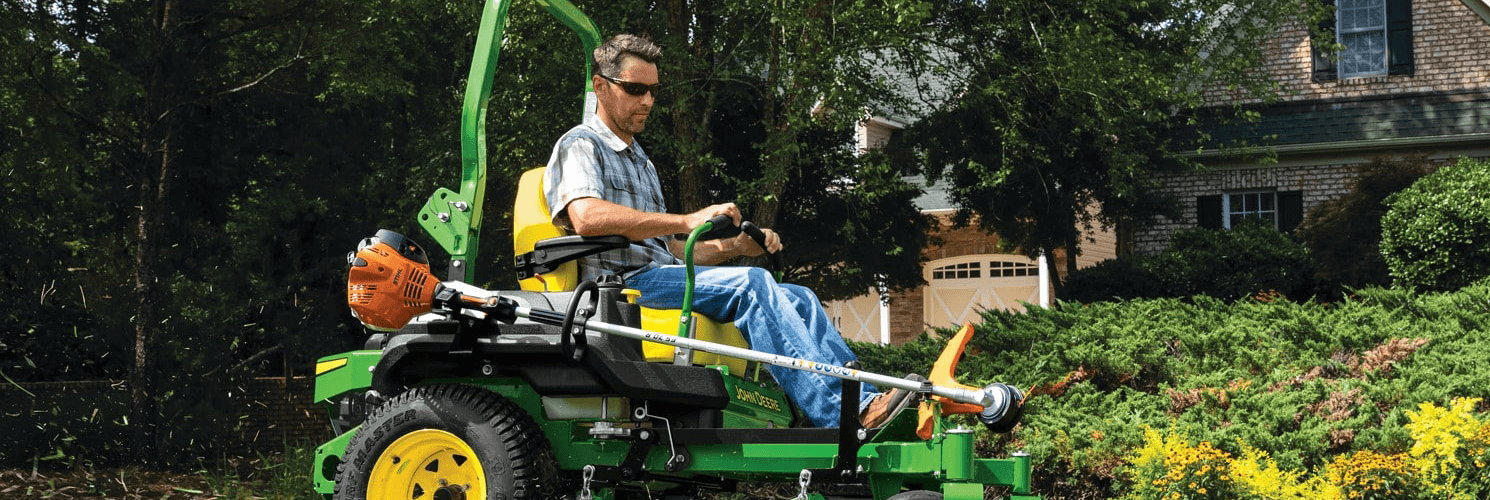
If you use a zero-turn mower or tractor, avoid erratic driving. Sudden starts and stops waste fuel. Smooth operation at a consistent speed allows the engine to run in its optimal power band. Additionally, keeping tires properly inflated reduces rolling resistance. Large pneumatic tires with heavy-duty tread provide better traction, but under-inflated tires make the engine work harder to move the machine forward.
Finally, consider the time of day. Mowing during the heat of the day puts extra stress on air-cooled engines. Operating in the cooler morning hours can help the engine run cooler and more efficiently.
Optimize Your Fleet This Season
Reducing fuel costs requires a combination of sharp components, clean engines, and smart operating habits. Small adjustments to your routine will compound over the summer to create significant savings. If you need assistance sharpening blades, sourcing parts, or scheduling a tune-up to get your equipment running at peak efficiency, our team is ready to help.
