
 MyME
MyME
When to Upgrade Snow Equipment Instead of Repairing It
During a Minnesota winter, snow equipment isn’t just a helpful tool—it’s essential. Knowing when to upgrade instead of repair helps protect long-term reliability.
Rising Repair Frequency Is a Red Flag
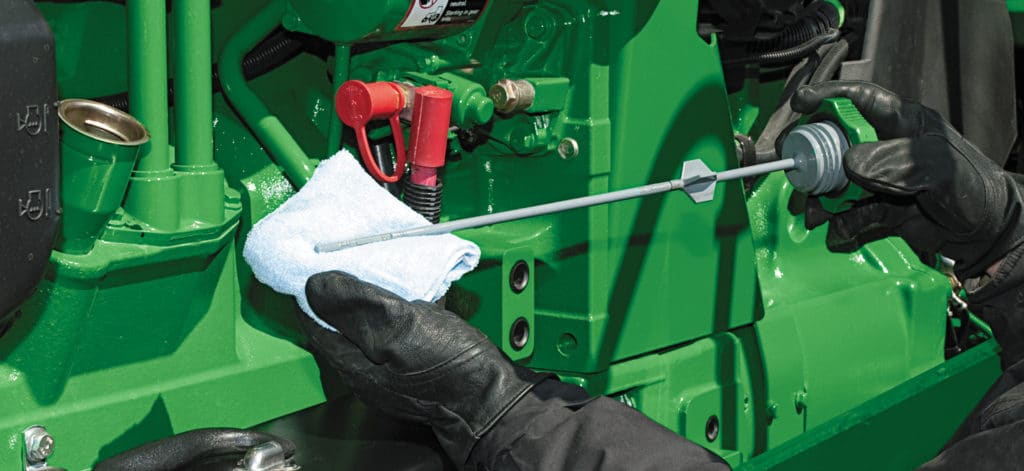
Occasional repairs are normal, especially on hard-working machines. But when breakdowns become frequent, it’s often a sign that multiple components are reaching the end of their service life at once. Replacing belts, bearings, hydraulic hoses, or electrical components one at a time can create a cycle of ongoing repairs. When service visits increase each season, it’s worth evaluating whether continued repairs are still cost-effective.
A common benchmark is total annual repair cost. If maintenance and repair expenses approach or exceed 30–40% of the equipment’s current value, upgrading may be the smarter long-term decision.
Downtime Costs More Than You Think
Downtime during peak snowfall is one of the most expensive hidden costs in snow operations. A machine that’s unavailable during a storm doesn’t just stop work—it creates cascading delays across routes. Crews may need to return to sites later, increasing labor hours and fuel consumption. In worst-case scenarios, missed service windows can lead to contract penalties or lost clients.
Newer equipment offers improved reliability, reducing unplanned downtime and helping crews stay on schedule during high-demand periods.
Declining Productivity Impacts Profitability
As snow equipment ages, performance often declines. Slower clearing speeds, reduced throwing distance, and inconsistent traction increase the number of passes required per site. Over a full winter, these inefficiencies add up to significant labor and fuel costs.
Upgrading to newer equipment can restore productivity, allowing operators to clear more properties per storm with fewer hours. Even modest gains in efficiency can have a meaningful impact across an entire season.
Parts Availability and Support Matter
Older equipment can become difficult to support as manufacturers phase out parts or update designs. Waiting days for a critical replacement component during winter peak season isn’t just inconvenient—it can shut down operations entirely. If parts are becoming harder to source or repair timelines are extending, upgrading may offer more predictable support and faster turnaround.
Safety and Operator Confidence
Newer snow equipment often includes improved safety features, better visibility, and more intuitive controls. Reliable cold-weather starting, responsive hydraulics, and modern traction systems reduce operator fatigue and improve confidence during long shifts. Safer equipment helps protect both crews and property while minimizing risk.