
 MyME
MyME

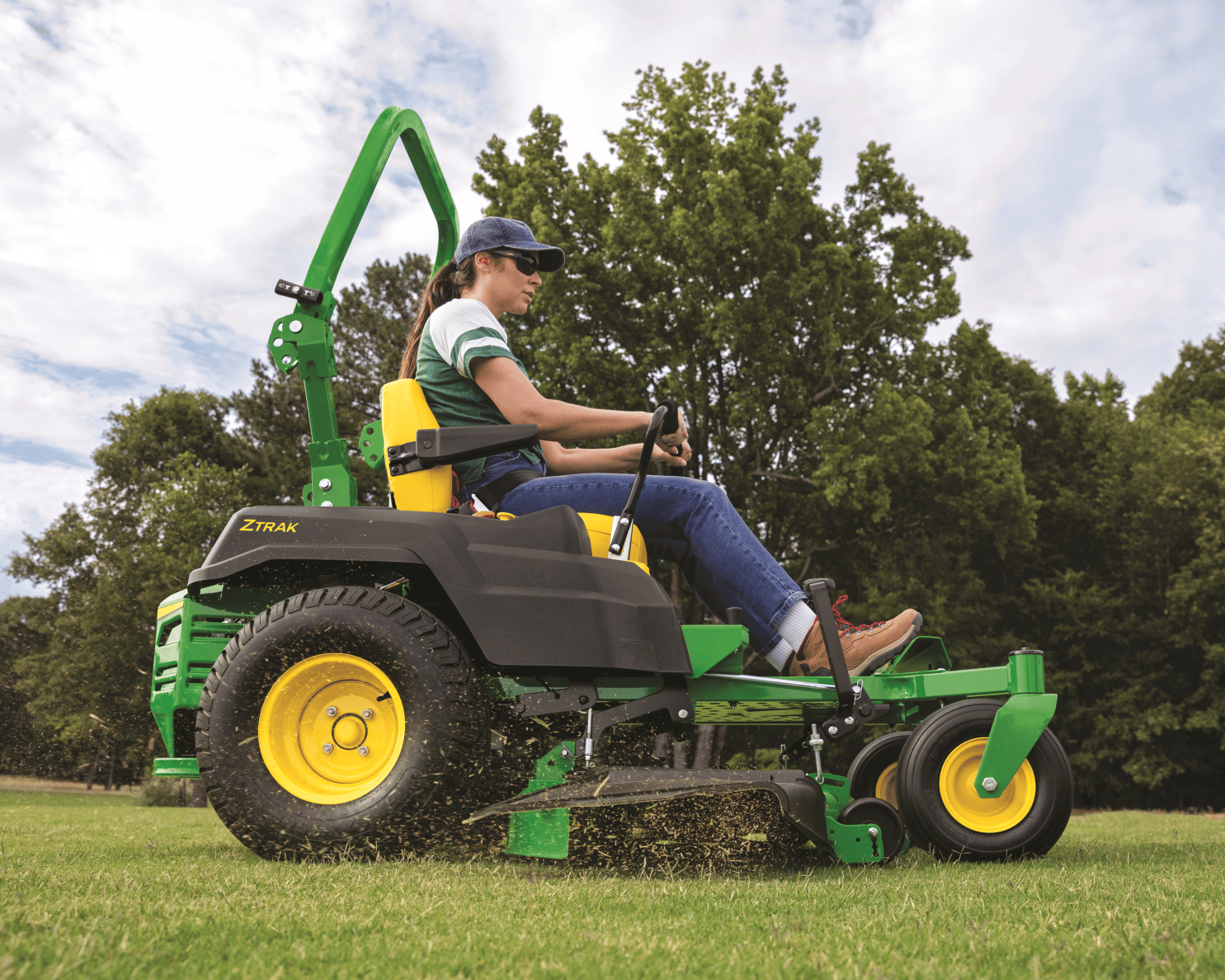
Zero-Turn or Riding Mower: Which One Fits Your Yard?
Zero-turn mowers shine on large, flat lawns with lots of landscaping. Riding tractors handle hills, haul tools, and support all-season attachments. Both are great—but for different jobs.
Choose a zero-turn mower if:
- Your yard is flat or gently sloped
- You want to cut mowing time nearly in half
- You need to maneuver around trees, beds, and tight spots
- Mowing is your main task (no towing or snow work needed)
Choose a riding lawn tractor if:
- You mow hills or uneven terrain
- You need to pull carts, spreaders, or plows
- You prefer a steering wheel over lap bars
- Budget matters—tractors typically cost less
Design and Control: Steering and Learning Curve
Zero-turns: Controlled with lap bars that independently power each rear wheel. Push both forward to go straight, pull one back to pivot in place. They’re intuitive after a few sessions and allow zero-degree turns.
Riding tractors: Use a steering wheel and pedals—just like a car. Great for new or traditional users. They turn in a wider radius but are easier for most people to operate right away.
Speed & Agility: Where Zero-Turns Win
Zero-turns mow twice as fast as tractors on flat land:
- Mowing speeds: 5–8 mph
- Turning radius: zero
- Coverage: 42″–60″+ decks
They pivot around beds, fences, and trees with less overlap or backtracking. If your priority is time savings, this is your machine.
Tractors top out at 3–5 mph and require wide turns, which add minutes (or hours) on large, landscaped yards.
Slopes & Stability: Where Tractors Take the Lead
Zero-turns don’t love hills. They’re best on terrain under 15 degrees. Their pivot wheels up front don’t grip well on side-hill mowing, and quick turns on slopes can damage turf—or worse, lead to traction loss.
Tractors handle hills better thanks to:
- Lower center of gravity
- More weight on drive wheels
- Available AWD or 4WD options
If your yard includes slopes, ditches, or woods, go tractor.
Attachments: Year-Round Utility
Tractors are multi-season machines. They can tow carts, run spreaders, and even plow snow. Their frames and drivetrains are designed for attachments and heavier loads.
Zero-turns are mowing specialists. Some models offer light-duty hitches or cargo beds, but they’re not built for towing or pushing. If your goal is mow and go, that’s not a problem. But if you want snow-clearing or hauling ability, you’ll want a tractor.
Clipping Management: Bagging vs Mulching
- Zero-turns: Best for mulching. High-speed blades finely chop clippings and return them to the lawn. Baggers are available, but usually optional and bulkier.
- Tractors: Best for bagging. Rear bag systems are common, easier to install, and move clippings efficiently.
Mulch for speed. Bag for composting or a super-clean finish.
Comfort & Ease of Use
- Tractors: Familiar feel. Steering wheel, spring-suspension seats, and slower speeds make for a simple, stable ride.
- Zero-turns: More comfort upgrades. Suspension seats, armrests, and advanced dampening on mid-to-high-end models make long sessions easier—if you’re on flat ground.
New to lap bars? Most users adapt in an hour or less.
Cost & Maintenance Breakdown
| Feature | Zero-Turn | Riding Tractor |
| Starting Price (2025) | $2,500–$5,000+ | $1,500–$3,000 |
| Maintenance Complexity | Dual hydro systems | Single transaxle |
| Repair Costs | Generally higher | Lower (fewer parts) |
| Storage Space Needed | Wider (deck, discharge) | Narrower but longer |
Routine service is similar—oil, filters, blades—but zero-turns may eventually require pricier hydro drive replacements.
Gas vs Battery: Modern Power Options
- Gas Mowers offer max runtime, quick refueling, and proven power—great for hilly terrain and large acreage.
- Battery Mowers are clean, quiet, and low-maintenance. Most run 1.5–2.5 hours (up to 4–5 acres) on a charge.
Choose gas for nonstop runtime and heavy mowing.
Choose battery for moderate-sized lawns, lower noise, and less upkeep.
Minnesota Terrain Tips
- Flat, open lawns: Zero-turns thrive—fast, nimble, and low-effort.
- Hilly or wooded properties: Tractors win—safer on inclines and better traction.
- Short growing season: May through October mowing = 6 months of use. Speed matters.
- Snow removal? Go with a tractor. Add a blade or snow thrower and use it all winter.
Zero-Turn vs Lawn Tractor: Quick Decision Guide
| Situation | Best Choice |
| Flat acreage with landscaping | ✅ Zero-turn mower |
| Hills, slopes, or rough terrain | ✅ Riding lawn tractor |
| Need for towing or snow plow use | ✅ Tractor |
| Fastest mowing time possible | ✅ Zero-turn mower |
| Need to bag clippings efficiently | ✅ Tractor |
| Want comfort + speed on flat ground | ✅ Zero-turn mower |
| Familiar controls, all-purpose use | ✅ Tractor |
Try Before You Buy
Visit a dealership and test both on real terrain:
- Compare how each handles tight turns
- Test hill stability and comfort
- Check deck access for blade maintenance
- Sit for 10+ minutes to assess fit and fatigue
Ask about warranties, parts access, and service options before making your pick.
Keep Your Mower Running Right
Whether you go zero-turn or tractor, we’ve got your back. From setup to service, Minnesota Equipment is here to help.
FAQs: Riding Mower vs Zero Turn
How much faster is a zero-turn mower?
They typically mow in half the time thanks to higher speeds and tighter turning.
Can a zero-turn handle hills?
Only mild slopes (under 15°). For hills, use a tractor.
Are zero-turns harder to drive?
There’s a short learning curve, but most users get comfortable quickly.
Which is better for snow removal?
Riding tractors—they support plows and snow blower attachments.
What about clipping collection?
Tractors are better for bagging. Zero-turns excel at mulching.
Do battery mowers perform well?
Yes—modern electric zero-turns and tractors can mow up to 4–5 acres per charge.