
 MyME
MyME

Managing multiple properties during Minnesota winters requires careful planning and the right equipment. Snow, ice, and freezing temperatures create unique challenges for property managers responsible for multiple sites, from commercial parking lots to residential complexes.
This playbook outlines key considerations, strategies, and best practices for winter equipment to keep multiple properties safe, accessible, and efficiently maintained.
Assessing Property Needs
Before investing in equipment, property managers should evaluate each property individually:
- Property size: Larger sites may require tractors, plows, or UTVs, while smaller areas can be handled with walk-behind snow blowers.
- Surface type: Gravel, paved, or mixed surfaces dictate blade type, plow adjustments, and traction solutions.
- Traffic patterns: High-traffic areas like entrances and loading zones need priority equipment access and reliability.
- Budget and storage: Balancing upfront costs with long-term efficiency is critical, especially when managing multiple sites.
A detailed assessment ensures equipment purchases or rentals match property needs without overspending.
Core Equipment for Multi-Property Winter Management
Snow Blowers
Essential for clearing sidewalks, walkways, and smaller areas quickly. Battery or corded models are ideal for lighter snowfall, while two-stage or three-stage gas models handle larger, high-volume areas efficiently.
Compact Tractors and Attachments
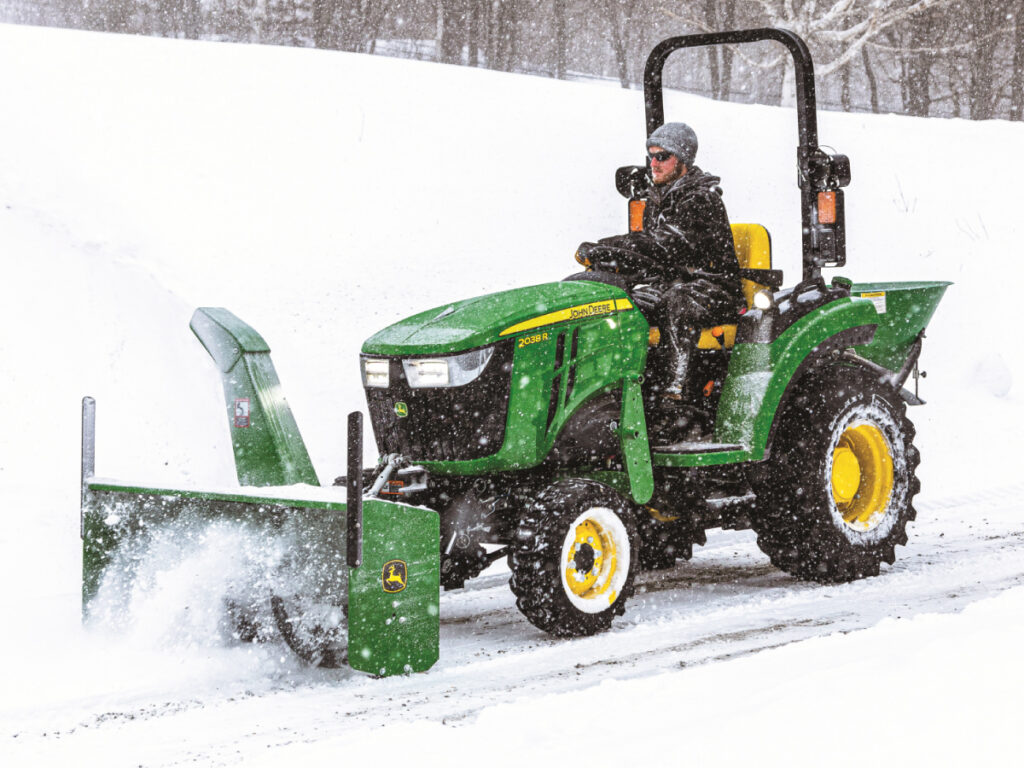
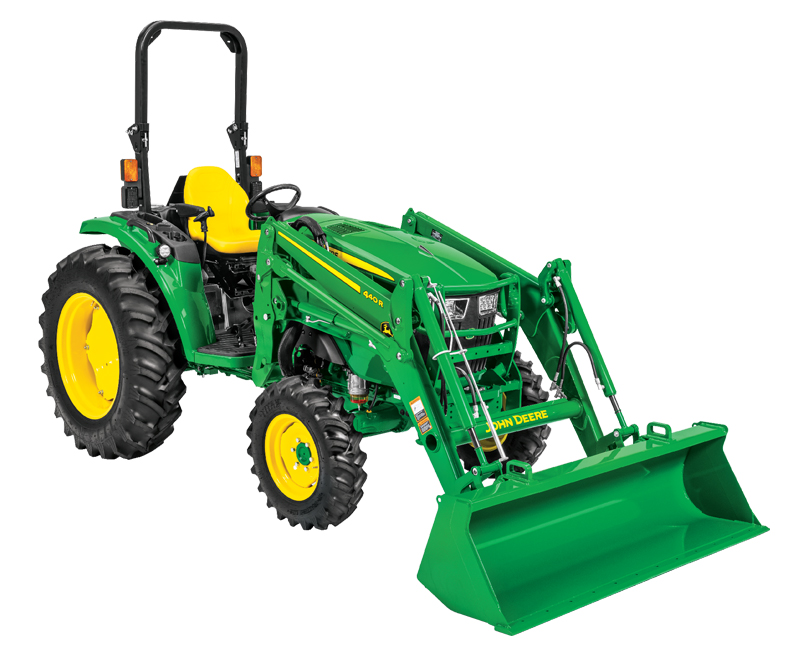
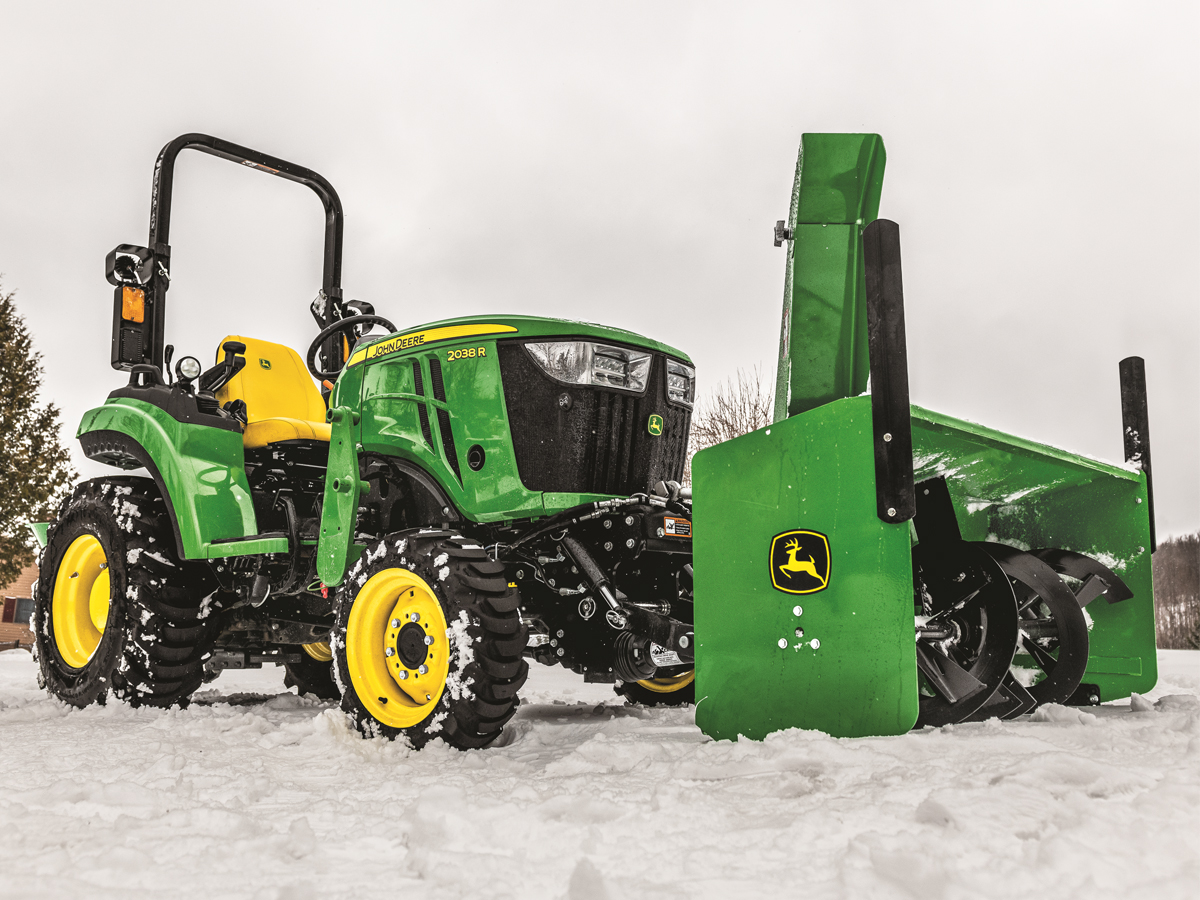
Compact tractors equipped with snow blades, pushers, or blowers are versatile tools for parking lots and driveways. Attachments such as spreaders and salt boxes help streamline ice management across multiple sites.
UTVs and Utility Vehicles
UTVs provide mobility across larger or segmented properties. With tow-behind spreaders, snow blades, or carts, they reduce the need to move multiple machines between locations.
Traction and Safety Enhancements
Tire chains, tracks, and ballast improve traction on slopes and slippery surfaces. Heated handles, power steering, and lights increase operator comfort and safety during long shifts.
Scheduling and Workflow Tips
Managing multiple properties requires thoughtful scheduling:
- Prioritize high-traffic areas first to reduce liability risks.
- Stagger equipment deployment to maximize coverage and reduce downtime.
- Monitor weather forecasts to deploy staff and machines efficiently.
- Coordinate fuel, battery charging, and maintenance to ensure equipment is ready when needed.
Efficient workflow planning minimizes response time during heavy snow events and keeps multiple sites operational.
Maintenance and Reliability
Frequent winter use increases wear and tear. Property managers should:
- Inspect snow blowers, blades, and attachments regularly.
- Maintain hydraulic systems, batteries, and tires.
- Keep spare parts, belts, and shear pins on hand.
- Clean equipment after each use to prevent corrosion and buildup.
Proactive maintenance reduces downtime, extends equipment lifespan, and ensures reliability across all properties.
Cost-Efficient Strategies
Multi-property management often benefits from a combination of owned and rented equipment:
- Use smaller snow blowers for sidewalks and light snow.
- Rent or share compact tractors or loaders during peak storms.
- Evaluate seasonal service contracts for overflow snow removal or specialized equipment needs.
This approach balances cost, flexibility, and coverage.
Preparing for Minnesota Winter 2025
Property managers can reduce stress and liability with careful preparation, the right equipment, and a strategic workflow. Minnesota Equipment offers commercial-grade machines, attachments, and service support to help manage multiple properties efficiently throughout the winter season.
Investing in proper planning and equipment ensures safety, productivity, and peace of mind for every property you manage.