
 MyME
MyME

You need something more capable than a lawn mower but you’re not running a commercial farm. You’ve got acres to manage, materials to move, seasonal tasks to handle. The question isn’t whether you need equipment—it’s which type makes sense.
A UTV and a compact tractor can both handle property management, but they’re built for fundamentally different purposes. Buy the wrong one and you’ll either lack power for essential tasks or overpay for capabilities you never use.
What Each Machine Does Best
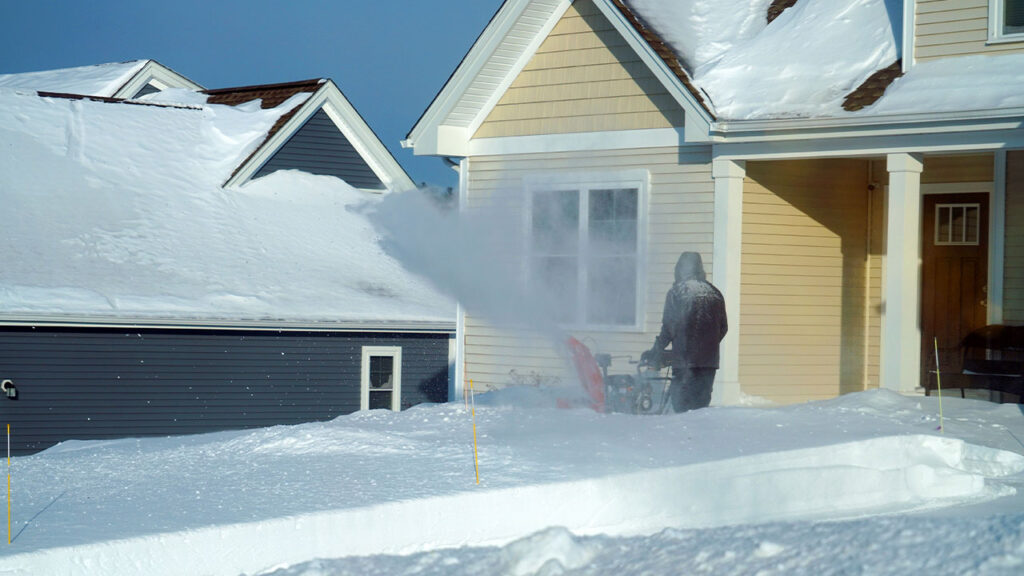
Compact tractors deliver high torque at low speeds for ground-engaging tasks: tilling, mowing large fields, digging, grading, plowing. With a three-point hitch and PTO, one tractor runs dozens of attachments—mower decks, rotary cutters, loaders, backhoes, tillers, augers, snow blowers. If your work involves moving earth or pulling implements through soil, the tractor’s power and attachment system are essential.
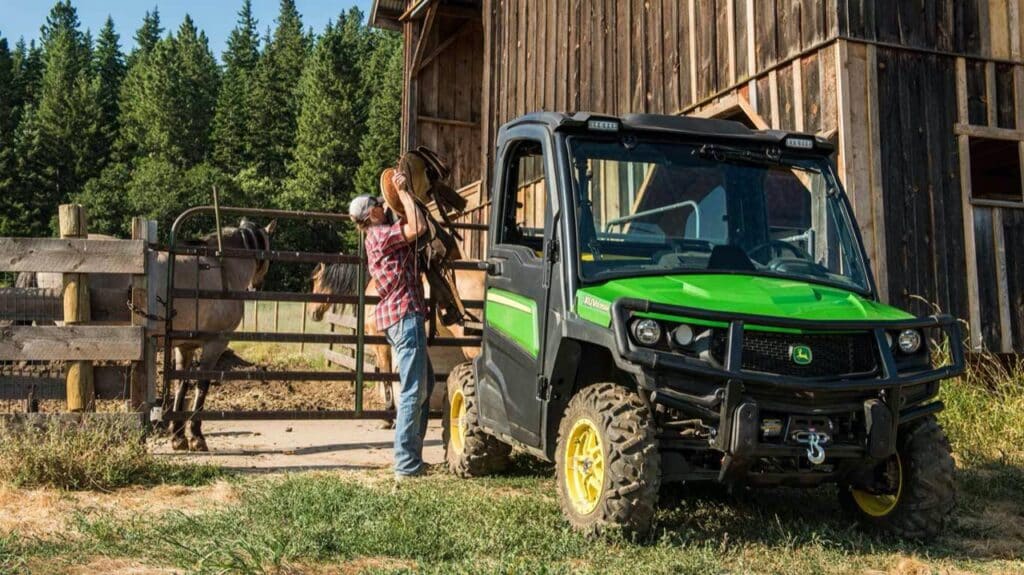
UTVs are built for transportation and hauling. They move people, tools, and materials quickly—often 25-45 mph versus a tractor’s 10-15 mph. UTVs excel at hauling firewood, pulling trailers, plowing light snow, spraying fields, and covering ground efficiently. They accept some attachments but lack PTO, so their implement capability is limited.
Terrain and Maneuverability
UTVs win on agility. They’re smaller, faster, and typically four-wheel drive with lower centers of gravity. They navigate wooded properties, muddy fields, and tight trails where tractors struggle. For checking fence lines or transporting tools across hilly terrain, the UTV’s speed and off-road capability are unmatched.
Tractors are heavier and slower but that weight provides traction for ground work. They maneuver well in open spaces but aren’t built for tight trails or high-speed transit.
Hauling Different Kinds of Loads
UTVs have built-in cargo beds (600-1,000 pound capacity) and tow 1,500-2,000 pounds. They’re designed to carry people and supplies across distance efficiently.
Tractors don’t have cargo beds but can be equipped with front loaders that lift hundreds of pounds of bulk material—soil, gravel, manure, snow. If hauling involves scooping and moving loose materials, the loader is irreplaceable.
Cost and Long-Term Value
Compact tractors cost more upfront, especially with attachments. But they hold value well, last decades with proper maintenance, and one power unit handles dozens of jobs.
UTVs are generally less expensive—$8,000 to $20,000+ depending on features. They’re simpler to maintain but depreciate faster and have shorter working lifespans under heavy use.
The Real Decision Point
Ask yourself what you do most often. If you’re managing land—maintaining gardens, grading driveways, clearing brush, working soil—the tractor’s power and attachment system justify the investment. If your work involves moving supplies, covering ground quickly, and handling light-duty tasks with occasional passengers, the UTV makes more sense.
Many property owners eventually own both, using the tractor for heavy seasonal work and the UTV for daily transport and minor tasks. But for those starting out, prioritize based on your most frequent needs.
Make the Choice That Fits Your Work
The wrong equipment forces you to work around its limitations. The right equipment makes your property manageable year-round.
For Minnesota property owners evaluating whether a UTV or compact tractor suits their land management needs, Minnesota Equipment carries both John Deere tractors and utility vehicles. Their team can assess your property size, terrain, and seasonal workload to match equipment to actual use cases—not just specifications on paper.
Ready to make a decision based on how you actually work? Connect with equipment specialists who understand that the best machine is the one that handles your most important tasks efficiently.