
 MyME
MyME

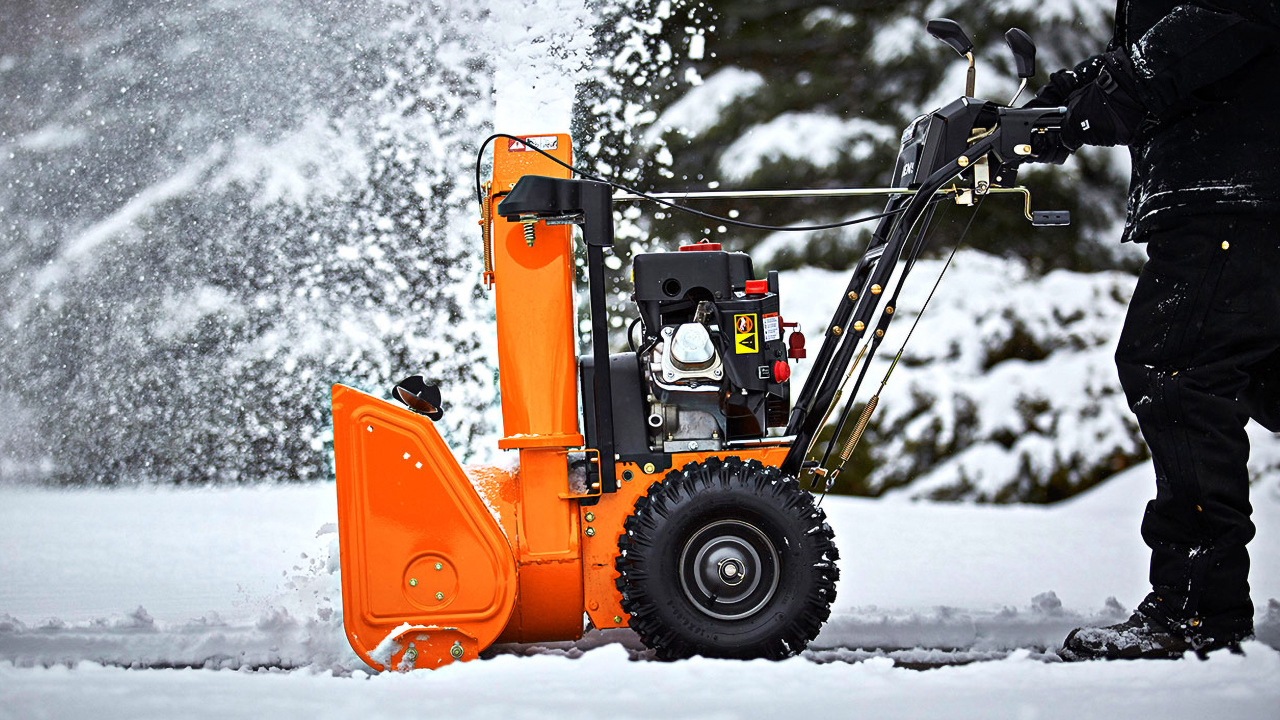
Minnesota winters demand dependable snow blowers. A unit that won’t start during a heavy snowstorm can delay clearing driveways or commercial lots and put stress on operators. Fortunately, most cold-weather starting issues have simple fixes.
Check Fuel and Oil First
Winter fuel problems are common: ethanol-blended gas can gel, and old fuel may lose volatility. Use fresh, high-quality fuel and add a stabilizer if the snow blower has been in storage. Ensure oil is the correct winter-grade type, as thick oil can make engines hard to crank in sub-zero temperatures.
Inspect Spark Plugs and Battery
A fouled spark plug or weak battery can prevent starts. Remove the spark plug, clean or replace it if necessary, and check connections for corrosion. For electric-start models, ensure the battery is fully charged and in good condition.
Prime and Choke Correctly
Understanding your model’s priming and choke procedures is crucial. Over-priming or under-choking is a frequent reason engines stall. Refer to your owner’s manual for the correct sequence, especially in temperatures below 20°F.
Routine Maintenance Prevents Cold-Weather Issues
Preventive maintenance is the best way to avoid starting failures. Replace belts and shear pins as recommended, lubricate moving parts, and keep the auger and impeller free of debris.
Plan for Minnesota Snowstorms
Keep spare parts on hand and consider a backup blower for high-volume snowfalls. Minnesota Equipment offers replacement parts, winter-grade fuel, and full-service maintenance to ensure your snow blower starts every time the snow falls.