
 MyME
MyME

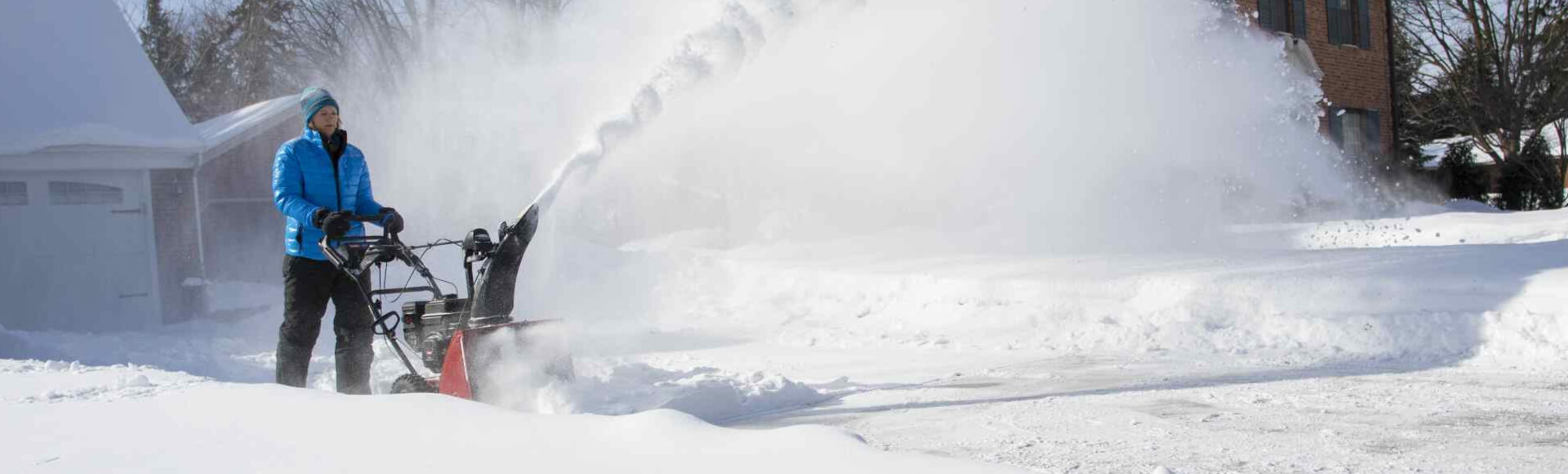
A snow blower is a powerful tool, but even the best machine can underperform if not operated correctly. Maximizing throwing distance and snow-clearing power ensures faster, more efficient work and reduces frustration during heavy Minnesota winters.
This guide provides tips and best practices to help property owners get the most out of their snow blowers in 2025.
Start with Proper Maintenance
Regular maintenance is essential for peak snow blower performance. Key steps include:
- Inspect belts and augers: Replace worn or loose components.
- Check shear pins: Broken or missing pins reduce auger effectiveness.
- Clean the chute and auger housing: Ice buildup can restrict snow flow.
- Use fresh fuel: Old or contaminated fuel decreases engine efficiency.
Well-maintained equipment clears snow more effectively and throws it farther.
Adjust Skid Shoes and Scraper Bars
Skid shoes and scraper bars control the snow blower’s contact with the surface.
- Raise the scraper bar slightly on gravel driveways to prevent rock throw.
- Lower the scraper bar on paved surfaces for cleaner clearing.
- Adjust skid shoes to maintain consistent height and reduce resistance.
Correct adjustment improves efficiency and prevents surface damage.
Optimize Snow Throwing Angle
The chute angle affects how far snow travels:
- Aim high for longer throws and to prevent snow from landing too close to cleared areas.
- Adjust side-to-side rotation to direct snow away from walkways, vehicles, and landscaping.
- Use chute extensions or deflectors for added control in tight spaces.
Fine-tuning the chute ensures snow lands where you want it, maximizing throwing distance.
Maintain a Steady Pace
Operating speed affects both power and efficiency:
- Avoid rushing: Pushing a snow blower too quickly can overload the auger and reduce throwing distance.
- Maintain a steady forward pace that matches the machine’s clearing capacity.
- Overlap passes slightly for consistent results on wider driveways or sidewalks.
A consistent pace prevents clogging and maximizes snow-moving efficiency.
Choose the Right Snow Blower for the Job
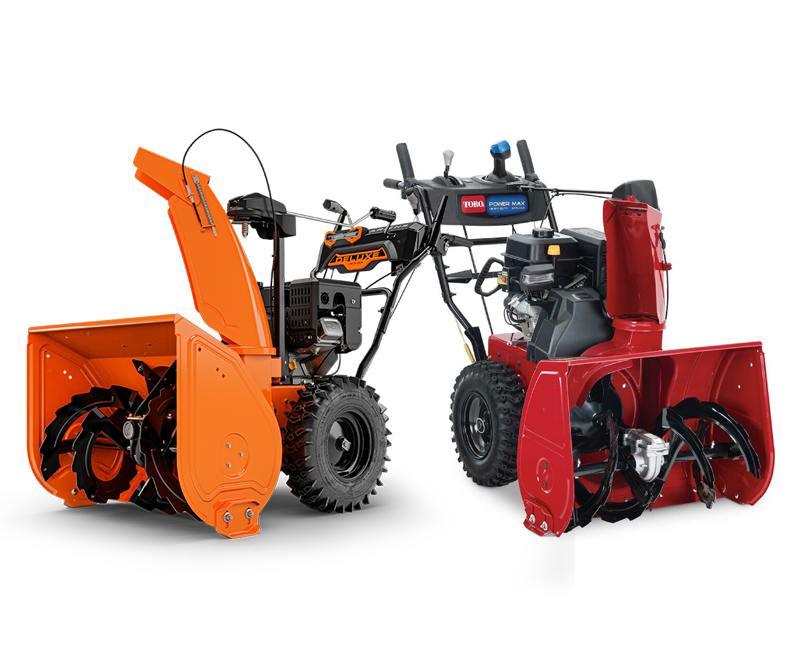
Different snow blowers are designed for varying workloads:
- Single-stage models: Best for light, powdery snow on small driveways and sidewalks.
- Two-stage and three-stage models: Handle deeper, wetter snow and larger areas.
- Electric vs. gas: Gas-powered models typically offer more power and longer throw distance, while electric models are quieter and lighter for smaller tasks.
Selecting the right machine for your property ensures optimal performance from the start.
Consider Environmental Conditions
Snow type, moisture content, and temperature affect throwing distance:
- Wet or heavy snow: Reduce throwing distance by adjusting speed or blade height.
- Powdery snow: Throws farther naturally, but monitor wind direction.
- Cold temperatures: Allow the engine to warm up fully for maximum power output.
Adapting to conditions helps maintain consistent clearing efficiency.
Operator Tips for Maximum Efficiency
- Keep the auger and chute free of ice and debris.
- Wear gloves with a good grip to control chute rotation easily.
- Avoid sharp turns at full throttle to prevent snow buildup in the chute.
Small operator adjustments can significantly improve snowblower performance and reduce operator fatigue.
Get the Most from Your Snow Blower in 2025
Minnesota Equipment offers a range of snow blowers, attachments, and accessories designed to maximize throwing power and efficiency. With proper maintenance, technique, and setup, property owners can handle winter snow quickly, safely, and effectively.