
 MyME
MyME

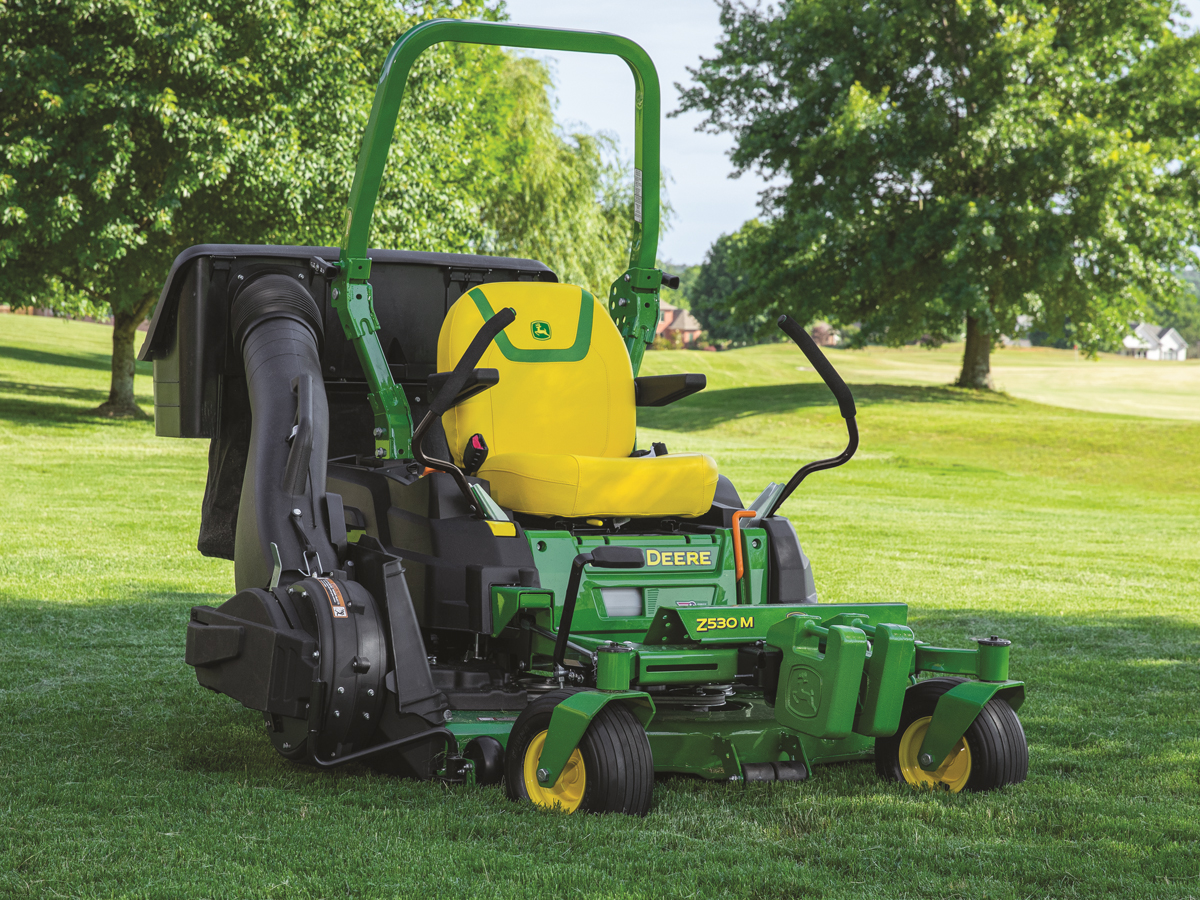
Clippings can be fertilizer, clutter, or contamination—it all depends on how you handle them. In Minnesota’s hot, humid stretch, the right choice saves time, protects turf, and keeps streets clean.
Here’s the plain‑English playbook for mulching grass clippings, when to switch to discharge, and should I bag my grass clippings when summer growth surges.
The short answer
- Mulch by default when grass is dry and growth is moderate. It returns nutrients, improves soil, and won’t cause thatch if you follow the one‑third rule.
- Side discharge in tall or damp grass. It moves volume fast and clogs less; plan to double‑cut for a tidy finish.
- Bag only for specific reasons—disease, visible weed seedheads, or heavy clumps that could smother the lawn.
Always follow your owner’s manual for model‑specific settings and limits.
Mulching grass clippings: why it wins most summer days
Mulching turns clippings into free fertilizer. As fragments decompose, they feed soil biology and return nutrients roughly equal to a light fertilizer pass, while helping the canopy hold moisture during heat. The keys: mow dry and often enough that clippings stay small.
Side discharge: when to switch
- Grass is tall or a bit damp. Wet clippings stick to decks and baffles; side discharge moves them away to keep airflow high.
- Catching up after rain. Start high, run full throttle, slow ground speed, then return for a lower clean‑up pass.
- You need efficiency. Clear acreage now and refine the look later.
Should I bag my grass clippings? Only in these cases
- Disease is active. Removing clippings can help reduce spread during humid stretches.
- Weed seedheads are present. Bag to avoid redistributing seeds.
- Clippings are too heavy. If long, wet piles would blanket the lawn, let them dry and bag—only on dry turf to avoid plugging the chute.
Technique tips for each method
Mulching the right way
- Mow dry leaves only and cut no more than one‑third of blade height.
- If the lawn got away from you, raise the deck for a quick first pass, then return for a lower clean‑up pass.
- Leave clippings on the lawn—they help, not hurt.
Side discharging without a mess
- Use a high deck setting, full throttle, and a slower ground speed to keep blade tip speed doing the work.
- Aim discharge away from beds, sidewalks, and people; cross‑cut after clippings dry to spread evenly.
- Clear the deck if discharge weakens or clumping starts.
Bagging like a pro
- Only bag dry grass. Wet clippings plug chutes fast.
- Dispose correctly: Use city yard‑waste programs or permitted compost sites.
- Skip garden use if you’ve applied weed‑control herbicides.
Minnesota note: keep clippings out of streets
Grass blown into roads and storm drains becomes pollution downstream. Always blow or rake clippings back onto the lawn.
Troubleshooting: symptoms → smart switches
- Clumps and trails: Switch from mulching to side discharge, raise the deck, slow down; cross‑cut after drying.
- Constant clogging: Stop and clean the deck and chute; consider high‑lift blades for better evacuation.
- Uneven look / mohawks: Double‑cut at a right angle and overlap 2–4 inches.
- Dusty, dry streaks: Return to mulching to conserve moisture and nutrients.
Set up your mower for summer—in‑store help & parts
Dialed‑in results start with the right kit. For blade selection, mulching kits, baggers, or a quick tune, schedule In‑Shop Service, order genuine parts, or explore new lawn mowers.
Want local advice? Find a location near you.
FAQs: mulching grass clippings & bagging
Should I bag my grass clippings in summer?
Usually no—mulch by default. Bag only for disease, seedheads, or heavy, wet piles that would smother turf.
Does mulching grass clippings cause thatch?
No. Proper mulching of small clippings doesn’t create thatch; it breaks down and feeds the soil.
Is it OK to leave clippings after mowing wet grass?
Better to side discharge and spread them, then return for a clean‑up pass when dry. Bag only if heavy piles remain.
What blade works best for mulching?
A dedicated mulching blade or a quality combination blade; keep it sharp and balanced for best results.