
 MyME
MyME

Why a Loader Changes Everything
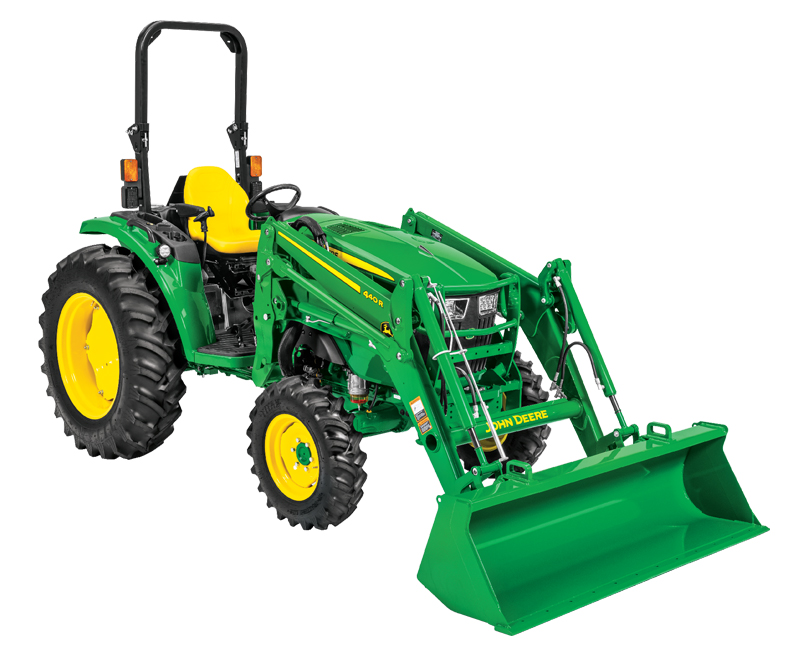
Your sub-compact tractor handles mowing and light work, but moving materials still means loading wheelbarrows by hand, shoveling gravel, or hauling mulch one bucket at a time. A front-end loader transforms that same tractor into a material handler that scoops, lifts, transports, and dumps bulk loads efficiently. Moving a cubic yard of soil takes minutes instead of an hour.
Clearing snow happens in passes rather than shoveling sessions. Spreading gravel or mulch becomes tractor work instead of backbreaking manual labor. The loader is often the single attachment that justifies owning a tractor rather than just a riding mower.
Understanding Loader Capacity and Realistic Expectations
Sub-compact tractors (under 25 HP) typically lift 600-800 pounds at the pivot pin, reaching about six feet high. Bucket sizes run 48-54 inches wide with 4-6 cubic foot capacity. A full bucket of dry soil weighs roughly 400 pounds; wet gravel approaches 700+ pounds. These numbers mean you’re handling useful loads—multiple wheelbarrows’ worth per scoop—without reaching the capacity of larger equipment.
Loaders mount to the tractor frame and operate via hydraulic joystick controls. Most modern systems use quick-attach (SSQA) buckets, letting you swap between standard buckets, narrow buckets for tight spaces, or pallet forks for lifting pallets and posts. The hydraulic system powers lift and tilt functions, drawing from the tractor’s hydraulic pump.
Critical requirement: rear ballast. Without weight on the back (loaded tires, ballast box, or attached implement like a box blade), the tractor tips forward when lifting loads. The rear wheels leave the ground, creating dangerous instability and loss of control. Always operate with proper ballast—typically 200-400 pounds depending on load weight and position.
What Loaders Actually Handle Well
Material handling dominates loader use. Move mulch to garden beds, spread gravel along driveways, transport soil for landscaping, haul compost, or shift firewood. The bucket scoops, carries, and dumps efficiently. Load trailers or utility carts quickly instead of hand-loading. Stage materials near work areas rather than making dozens of trips with hand tools.
Light excavation works for soft topsoil—remove sod, dig shallow garden beds, or create gentle swales. Loaders lack the down-pressure of backhoes, so hard-packed clay or deep digging exceeds capability. They remove loose material effectively but won’t break through resistant soil.
Snow removal becomes manageable with a loader. Scoop and stack snow higher than blade-only solutions, creating more storage capacity in limited space. Add a snow pusher box attachment for wider clearing paths. Loaders handle heavy, wet snow that defeats blades through sheer pushing resistance.
Back-dragging with a slightly curled bucket smooths spread materials—gravel, soil, or sand—creating reasonably level surfaces. This isn’t precision grading (use box blades or land planes for that), but it’s effective for rough leveling or filling small holes.
With pallet forks attached, lift palletized materials, fence posts, small implements, or firewood stacks. The 600-800 pound capacity handles most residential loads safely, though full pallets of stone or large round bales exceed limits.
Find the right equipment for your needs. | Shop Our Inventory
Explore how-to videos, FAQs and more. | Knowledge Center
Operating Safely and Effectively
Approach piles with the bucket low and flat. As you contact material, raise arms slightly for down-pressure while driving forward. Curl the bucket upward to capture the load, then reverse out. Keep loads low during transport—raised buckets obstruct vision and raise the center of gravity, increasing tip risk.
Never exceed rated capacity or lift loads higher than necessary. Side-slope operation risks tipping—keep loads centered and avoid steep cross-slopes. Watch for obstacles when backing up, as the loader frame and bucket block rear visibility.
Hydraulic maintenance matters. Check fluid levels regularly, watch for leaks, and grease pivot points per the maintenance schedule. Loader arms and cylinders work hard; neglected maintenance leads to seal failures and expensive repairs.
Transforming Your Tractor’s Value
A loader turns a seasonal mower into a year-round property tool. Spring landscaping, summer material handling, fall cleanup, and winter snow removal all become tractor tasks. The investment (typically $3,000-5,000 installed) pays back through eliminated manual labor and expanded capability.
Equipment dealers who specialize in sub-compact tractors can assess whether your specific model accommodates loaders and recommend appropriate sizing. Minnesota Equipment works with John Deere sub-compact owners to match loaders correctly, ensuring proper hydraulic capacity and frame compatibility.
A properly matched loader extends your tractor’s usefulness dramatically—the wrong setup creates safety hazards or performance disappointment that undermines the entire investment.
Trusted Tools. Local Experts. | Find Your Nearest Dealer