
 MyME
MyME
Is Your Mower Undersized? 5 Clear Indicators It’s Time to Upgrade
Cutting the grass should be a satisfying routine rather than a dreaded marathon. If you find yourself losing entire Saturdays to lawn care or fighting with your machine to get a clean cut, your equipment might be the problem. Many homeowners in Minnesota unintentionally purchase mowers that are too small for their acreage or terrain. Using an undersized machine leads to frustration and premature equipment failure. Here are some easy ways to evaluate your current setup and determine if you need a machine with more muscle.
1. Mowing Takes More Than an Hour
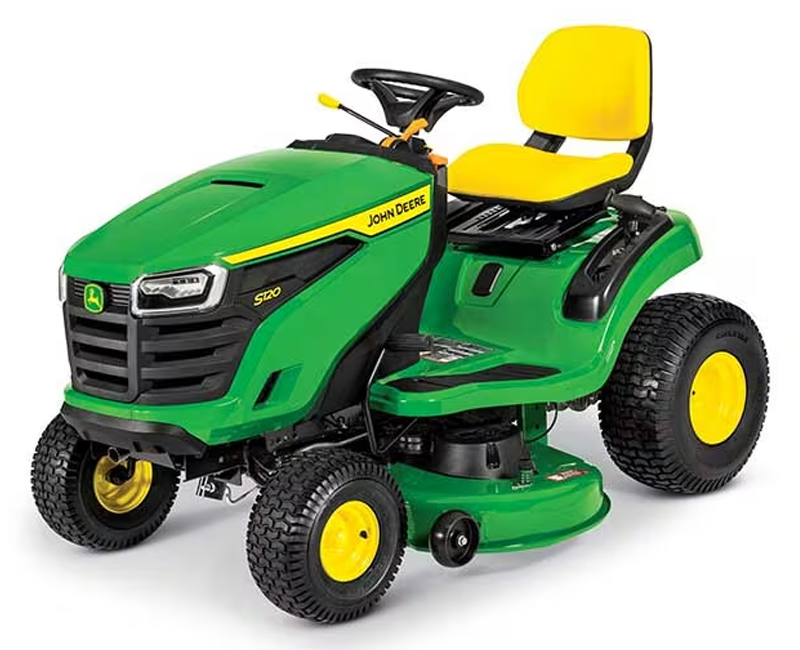
The most obvious sign of an undersized mower is the time commitment. A mower properly matched to your acreage should allow you to finish the job efficiently. If you are mowing more than an acre with a standard push mower or a small riding tractor with a cutting width under 42 inches, you are spending unnecessary time in the seat.
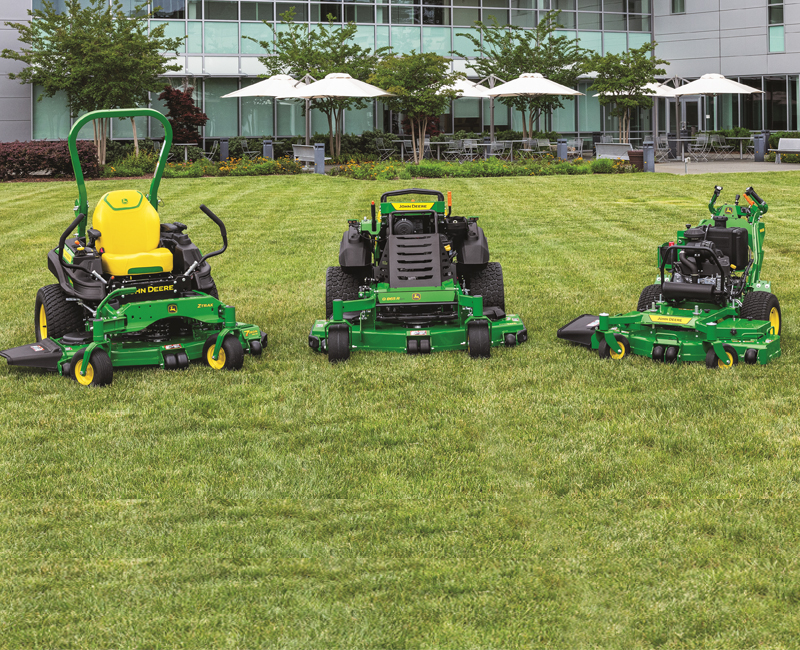
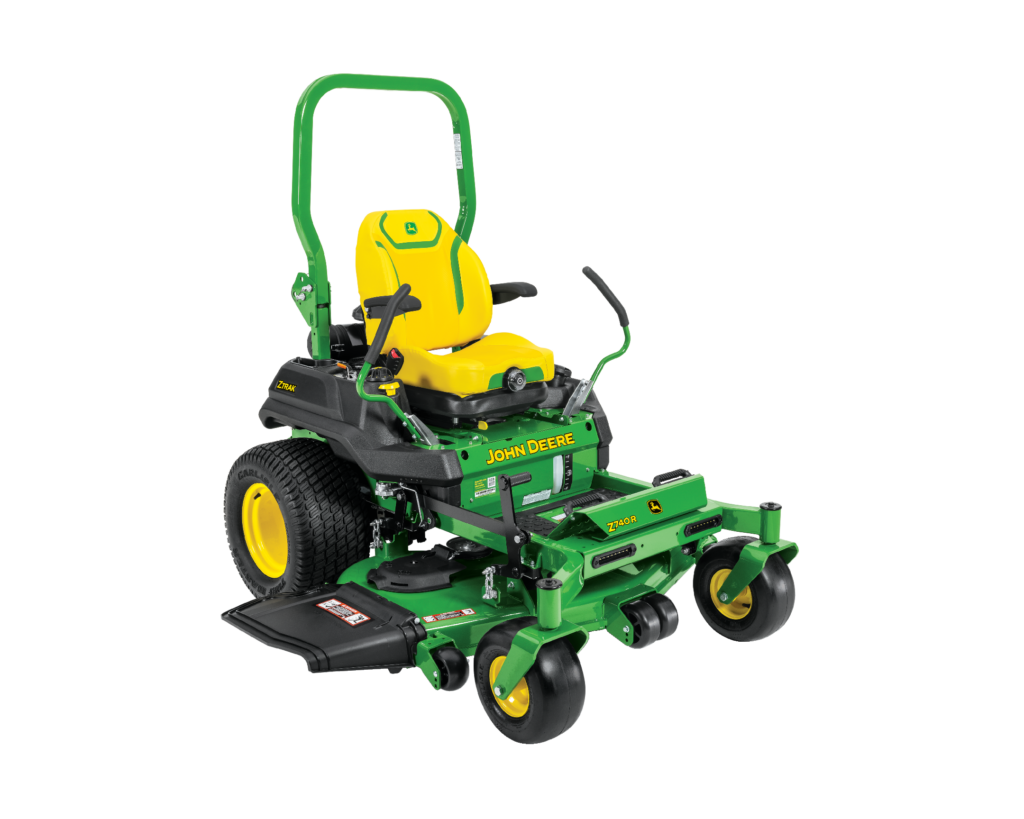
A 42-inch deck is typically suitable for up to 1 acre. Once you exceed 2 acres, you generally need a deck size of 48 to 54 inches or wider to maintain efficiency. Upgrading to a zero-turn mower with a larger deck and faster ground speed can cut your mowing time in half. This gives you more time to enjoy the short Minnesota summer.
2. The Engine Bogs Down in Thick Grass
Minnesota lawns are often thick with cool-season grasses like Kentucky Bluegrass and Fescue. These varieties grow dense and lush, especially during the wet spring months. An undersized engine lacks the torque required to process this volume of material.
Pay attention to your engine sound. It should maintain a steady hum. If the RPMs drop significantly or the engine stalls when you hit a patch of tall grass, your mower lacks the power for your specific conditions. This puts immense strain on the engine and shortens its lifespan. A machine sized correctly for your property will maintain blade tip speed even in challenging conditions.
3. You Struggle on Slopes and Hills
Terrain is just as important as acreage when sizing a mower. A standard lawn tractor with a light-duty transmission is designed for flat ground. If your property features significant inclines or ditches, a basic entry-level mower will struggle to maintain traction.
Watch for these signs of transmission strain on hills:
- The mower whines or loses speed significantly when going up a slope.
- One or both wheels lose traction and spin, tearing up the turf.
- The transmission feels hot or smells burnt after a session.
- You feel unsafe or unstable while navigating inclines.
Heavier-duty garden tractors and commercial-grade zero-turn mowers feature stronger hydrostatic transmissions. These systems provide the torque and weight necessary to navigate hills safely without overheating the hydraulic fluid.
4. The Cut Quality Is Uneven or Clumpy
An undersized deck often lacks the airflow and volume to handle grass clippings effectively. If the deck is too small for the amount of grass passing through it, the clippings will clump together rather than dispersing evenly. This leaves unsightly piles on your lawn that can smother the grass beneath.
You might also notice streaks of uncut grass. This happens when the blades cannot recover their speed fast enough after cutting heavy growth. You end up having to make a second pass to get a clean finish. A commercial-grade or properly sized residential deck offers deeper shells and higher blade tip speeds. This ensures a crisp cut in a single pass.
5. Constant Repairs and Maintenance
Pushing a residential mower beyond its design limits leads to frequent breakdowns. You might find yourself replacing belts, spindles, or pulleys far more often than expected. This is a clear indicator that the workload exceeds the machine’s durability.
Residential mowers are built for a specific number of hours per season. If you are using a machine rated for 1 acre to mow 5 acres, you are accelerating wear and tear by five times the normal rate. Upgrading to a heavier machine with welded steel decks and serviceable transmissions saves money on parts and repairs in the long run.
Find the Right Fit for Your Property
Recognizing these signs early helps you avoid the hassle of a broken machine in the middle of July. Moving up to a larger deck size or a more powerful engine class transforms lawn care from a chore into a manageable task. Minnesota Equipment carries a wide selection of John Deere, Toro, Gravely, and Altoz mowers designed to handle everything from compact suburban yards to sprawling rural estates. Our team can help you assess your acreage and terrain to find the machine that fits your specific needs.