
 MyME
MyME

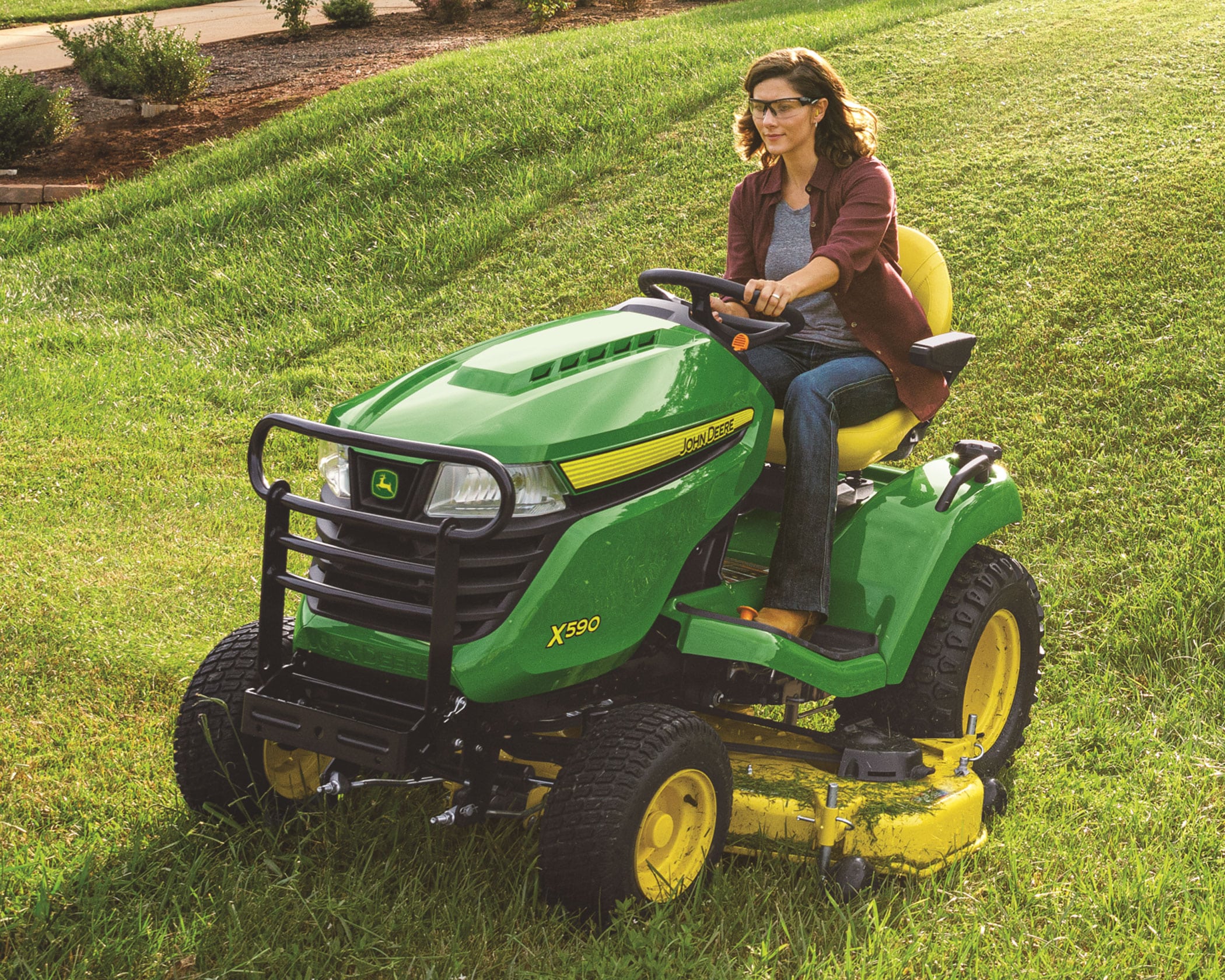
When summer bakes the yard, even a good mower can leave tracks, dust, and ragged tips. Mowing grass in hot weather takes a few smart tweaks that protect turf, reduce stress on equipment, and still deliver a clean, even cut.
Use this guide to adjust height, timing, and technique on Minnesota’s cool‑season lawns.
The short answer
- Raise the deck to 3–4 inches. Taller canopies shade soil and reduce stress.
- Mow less often. Follow the one‑third rule or delay until growth resumes.
- Choose cooler windows—mid‑morning after dew dries or early evening—not during peak heat.
- Leave clippings (mulch) to conserve moisture and return nutrients.
- Pause midsummer fertilizer/herbicides on stressed turf.
Always follow your owner’s manual for model‑specific recommendations.
Why these practices work
Cool‑season grasses run a deficit in high heat. Trafficking or mowing during hot afternoons causes visible heat tracking (tire/foot marks).
Cutting higher cools the soil surface and encourages deeper roots; waiting for cooler windows avoids injury and helps the lawn recover.
Decision guide: match your approach to lawn condition
- Irrigated and still growing: Cut at 3–4 inches, mow in a cool window, and leave clippings. Stick to the one‑third rule.
- Heat or drought‑stressed: Delay mowing if possible. If you must cut, raise the deck, minimize passes, and avoid turning on the same spots.
- Dormant (tan) turf: Keep traffic light. Apply survival irrigation (~0.25 in. every 3–4 weeks) to keep crowns alive, then wait for cooler weather before resuming normal mowing/feeding.
Mowing grass in hot weather: step‑by‑step plan
- Scout at midday. If footprints linger or color looks bluish‑gray, it’s wilting—wait for recovery.
- Pick a cool window. Early after dew dries or early evening.
- Set the deck high (3.5–4 in.) and keep blades sharp for cleaner cuts.
- Run full throttle; slow your ground speed to prevent tearing.
- Grasscycle. Leave clippings—they conserve moisture and feed soil biology.
- Pause fertilizer and weed control until temps ease and color returns.
Equipment & safety in dry conditions
- Prevent fires: Brush dry debris off the deck, engine shroud, and muffler after every mow.
- Mind dusty slopes: Choose cooler hours for better footing, or skip unsafe areas.
- Airflow is everything: Clean/replace the air filter more often; dust loads build fast in drought.
- Battery care: Avoid charging packs in hot garages; let them cool to room temp first.
Cut‑quality tips that save water and stress
- Overlap 2–4 inches and vary patterns weekly to limit rutting.
- Lift the deck one notch when color fades—forcing a low cut accelerates browning.
- If appearance matters during a heat wave, double‑cut higher rather than scalping once.
Watering & dormancy realities
In prolonged heat, cool‑season lawns often slow or go tan (dormant)—that’s survival, not death. If you don’t regularly irrigate, let the lawn rest and keep traffic light. For crown survival, water lightly ~¼ inch every 3–4 weeks, then resume normal mowing and feeding when cooler weather returns.
Get set for summer—in‑store help & parts
Need sharper blades, better airflow, or a height‑of‑cut tweak? Schedule In‑Shop Service, order genuine parts, or explore new lawn mowers. Prefer local advice? Find a location near you.
FAQs: heat, timing, and mowing height
What temperature is too hot to mow the lawn?
If air temps push ~90°F or the heat index is in the mid‑90s or higher, postpone and choose a cooler window. High heat boosts stress and leaves visible tracks.
How high should I mow in summer heat?
3–4 inches for most cool‑season lawns. Taller canopies shade soil and reduce stress.
Should I mow a brown, dormant lawn?
No. Wait for new green growth, then resume at a higher setting.
Do clippings cause thatch in summer?
No. Small clippings break down quickly and support soil health.
Can I fertilize during a heat wave?
Skip fertilizer and most herbicides on stressed turf; resume when temps ease and color improves.
Minnesota courtesy: Blow or rake clippings back onto the lawn so they don’t wash into storm drains and lakes.