
 MyME
MyME
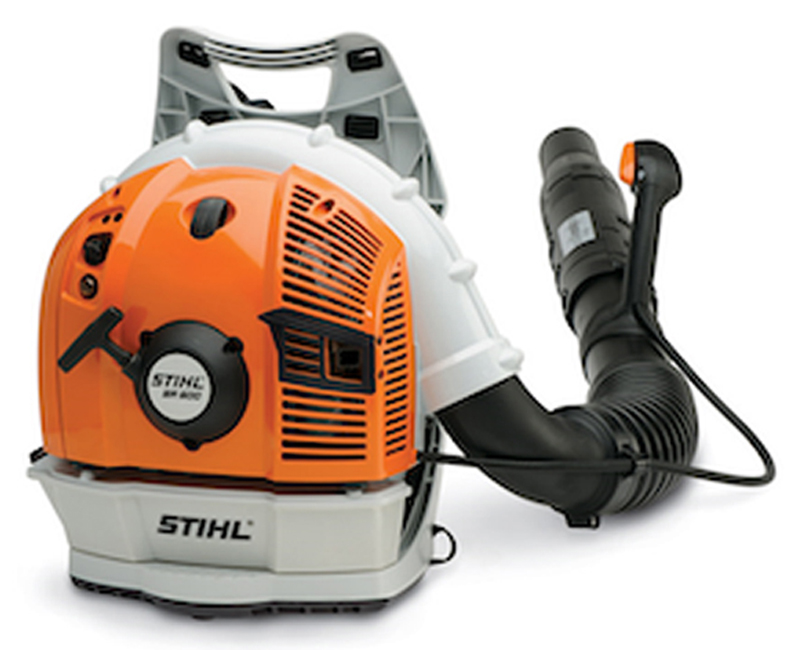
Walk into any equipment dealership today and you will see wall displays split evenly between traditional gas engines and modern battery platforms. Manufacturers like STIHL and Toro have closed the power gap significantly in recent years. This makes the decision harder for property owners who used to default to gas for performance. The choice now depends less on raw power and more on your specific property layout, your tolerance for maintenance, and how you prefer to work.
When Gas Is Still the Right Choice
Internal combustion engines remain the standard for tasks requiring sustained runtime and high energy output. A gas engine allows you to work as long as you have fuel in the can. This is critical for large properties where you might spend an hour or more string trimming fence lines or clearing brush. Stopping to charge batteries or carrying multiple expensive spares (and remembering to keep them all charged) can break your workflow.
Gas equipment can offer distinct advantages in our specific climate. Minnesota winters are harsh. Lithium-ion batteries struggle in sub-zero temperatures, often losing capacity or refusing to charge until warmed up. A gas engine generates its own heat once started. If you need a chainsaw for emergency storm cleanup in January or a blower for light snow, a gas engine is often more reliable if stored properly.
The Advantages of Battery Platforms
Battery equipment shines in the “grab and go” category. There is no fuel to mix, no carburetor to gum up during storage, and no pull cord to wrestle. You simply slide in the battery and pull the trigger. This instant-on capability makes battery tools excellent for property owners who do maintenance in short bursts.
The operator experience is also significantly different. Electric motors produce far less vibration than two-stroke gas engines. This reduces fatigue in your hands and arms during use. They are also much quieter. You can use a battery chainsaw or blower on Saturday mornings without disturbing neighbors or your own family.
- Zero Engine Maintenance: No spark plugs, air filters, or fuel stabilizers are required.
- Reduced Noise: Operate in noise-sensitive areas or at odd hours without issue.
- Instant Torque: Electric motors reach full power immediately without needing to rev up.
Choosing the Right Tool for the Job
Certain tools benefit more from specific power sources. Leaf blowers are a prime example. Moving heavy, wet layers of maple or oak leaves in the fall requires massive air volume (measured in CFM) and speed. Gas backpack blowers still hold the edge here for sheer force and the ability to run at full throttle for hours. However, for blowing dry grass clippings off a driveway or clearing a patio, a handheld battery blower is far more convenient.
Chainsaws follow a similar logic. If you heat your home with wood and spend weekends felling and bucking large trees, a 50cc or larger gas saw is the necessary tool. For pruning branches, clearing saplings, or cutting occasional firewood, a battery-powered chainsaw offers plenty of power without the noise and fumes right next to your face.
Mixing Your Fleet
Many property owners find the best solution is a mixed fleet. You might keep a heavy-duty gas chainsaw and backpack blower for the heavy seasonal lifting but switch to a battery string trimmer and hedge clipper for weekly maintenance. This approach gives you the heavy-hitting power when you need it and the convenience and ease of use for routine tasks. High-quality brands offer robust options in both categories, allowing you to build a lineup that matches your specific land management plan.
Find Your Power Solution
Our team understands the local landscape and the demands placed on equipment in Minnesota. We can help you evaluate your acreage and typical workload to recommend the right mix of gas and battery handheld tools. Stop by one of our showrooms to feel the weight difference and discuss what makes sense for your property.