
 MyME
MyME

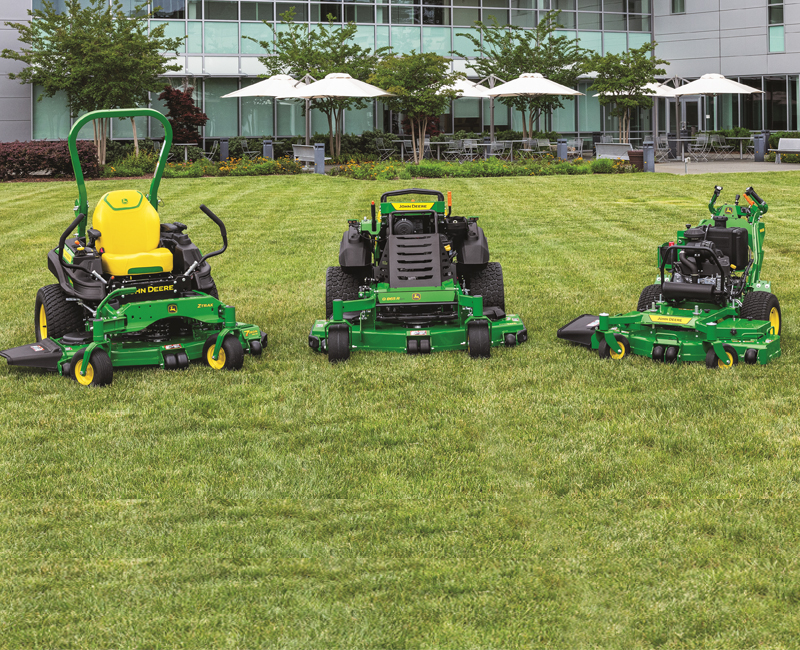
Your zero-turn mower relies heavily on its tires to translate engine power into efficient movement. The right set of tires impacts more than just traction. It dictates your ride comfort, the quality of your cut, and how much time you spend on maintenance. Minnesota property owners face a unique mix of terrain challenges ranging from steep ditches to soft, marshy spots near lakes. Understanding the differences between standard turf tires, semi-pneumatic options, and modern airless technology helps you choose the right setup for your specific acreage.
Standard Pneumatic Turf Tires
The vast majority of residential and commercial mowers leave the factory with pneumatic turf tires. These are traditional air-filled rubber tires designed with a wide footprint to distribute the weight of the machine. This design minimizes ground pressure and prevents the heavy mower from tearing up delicate grass.
- Ride Comfort: Air acts as a natural shock absorber and provides a smoother ride over bumpy lawns compared to solid alternatives.
- Traction: The tread pattern on turf tires is generally designed to grip dry grass without digging in, though traction can decrease on steep, wet slopes.
- Cost-Effectiveness: These are the most affordable option for replacement and come standard on most models like the John Deere Z300 and Z500 series.
- Maintenance: You must check air pressure regularly to ensure an even cut, as low pressure on one side will cause the deck to dip and cut unevenly.
Semi-Pneumatic Flat-Free Tires
Semi-pneumatic tires are often found on the front caster wheels of commercial-grade mowers. These tires are constructed with a thick, dense rubber casing that does not require an inner tube or pressurized air. They rely on the structural integrity of the tire wall to support the load.
- Zero Maintenance: You never have to check air pressure or patch a leak, which eliminates downtime in the middle of a job.
- Durability: These tires resist punctures from thorns, nails, or sharp rocks that might be hiding in tall grass or construction areas.
- Stability: Because they do not compress as much as air-filled tires, they keep the mower deck height consistent for a very level cut.
- Ride Quality: The trade-off for durability is a stiffer ride, as these tires transfer more vibration from the ground to the operator platform.
Airless Radial Tires (Tweels)
Airless radial tires, such as the Michelin X Tweel Turf, represent a significant leap in mowing technology available on high-end models like the John Deere Z700 series. These integrated tire-and-wheel units use flexible poly-resin spokes to connect the outer tread to the hub. This design replaces the need for air entirely while mimicking the suspension characteristics of a pneumatic tire.
- Suspension and Comfort: The flexible spokes deform over obstacles like tree roots or curbs and smooth out the ride significantly better than solid tires.
- Consistent Traction: The tread contact patch remains consistent because there is no air pressure fluctuation, which provides excellent grip on side hills.
- Productivity: You eliminate flats entirely without sacrificing speed or comfort, which is vital for maintaining large properties efficiently.
- Longevity: These units generally last two to three times longer than standard pneumatic tires due to their robust construction and wear-resistant tread compounds.
Choosing the Right Traction for Your Property
Selecting the right tire depends largely on your budget and the specific demands of your land. A standard pneumatic tire works perfectly for a flat, manicured suburban lawn. However, if you manage several acres of rough terrain or mow professionally where downtime equals lost revenue, upgrading to flat-free front casters or rear Tweels is a smart investment. The team at Minnesota Equipment can help you determine which tire configuration matches your mower model and your terrain.