MyME

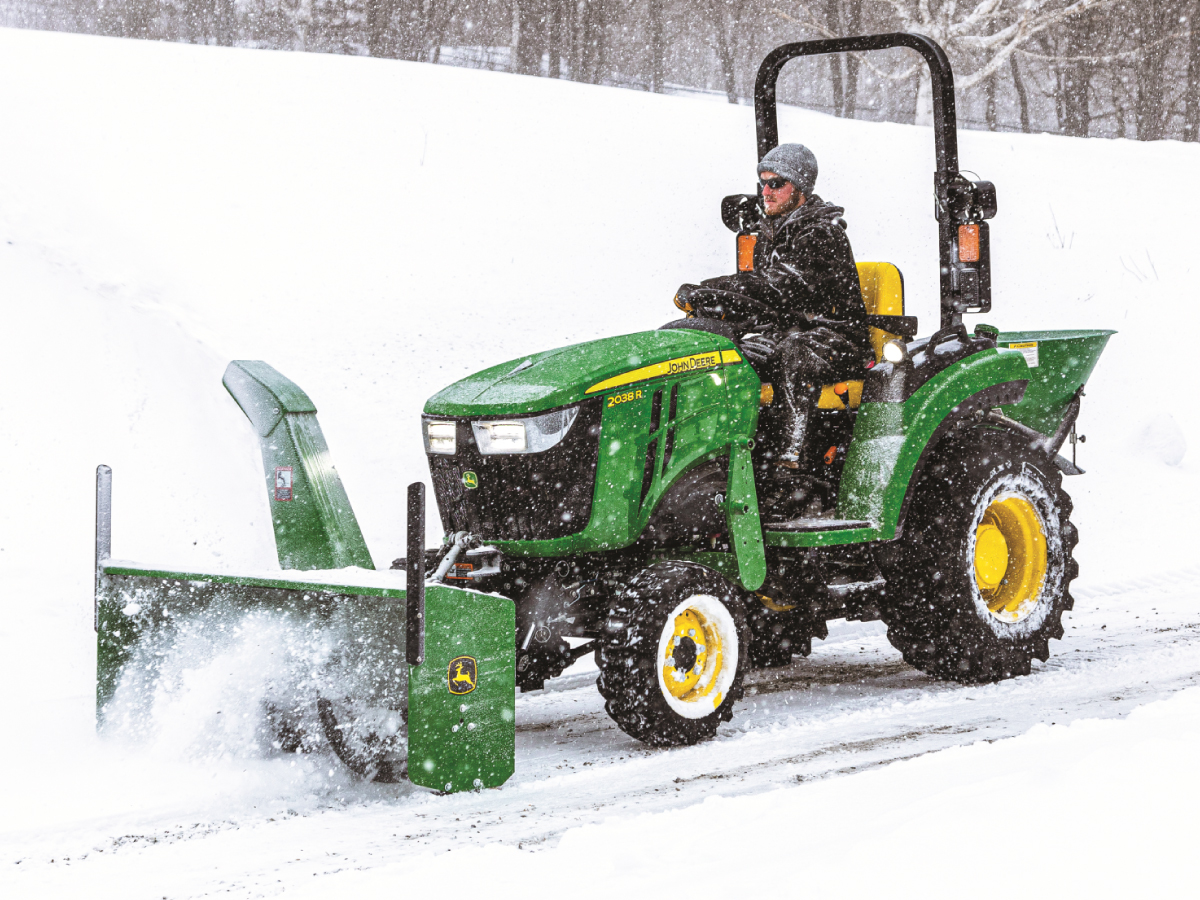
Buying a sub-compact tractor feels like unlocking possibilities—until you realize the machine itself is only half the equation. Without the right attachments, even the most capable sub-compact sits underutilized in the garage. But here’s the thing: these smaller tractors (usually under 25 horsepower) have real limits. Overload them with the wrong tools and you’ll strain the machine or waste money on attachments that never quite work right. The key is matching your purchases to what a sub-compact actually does well.
Start with the Big Three: Loader, Box Blade, and Mower
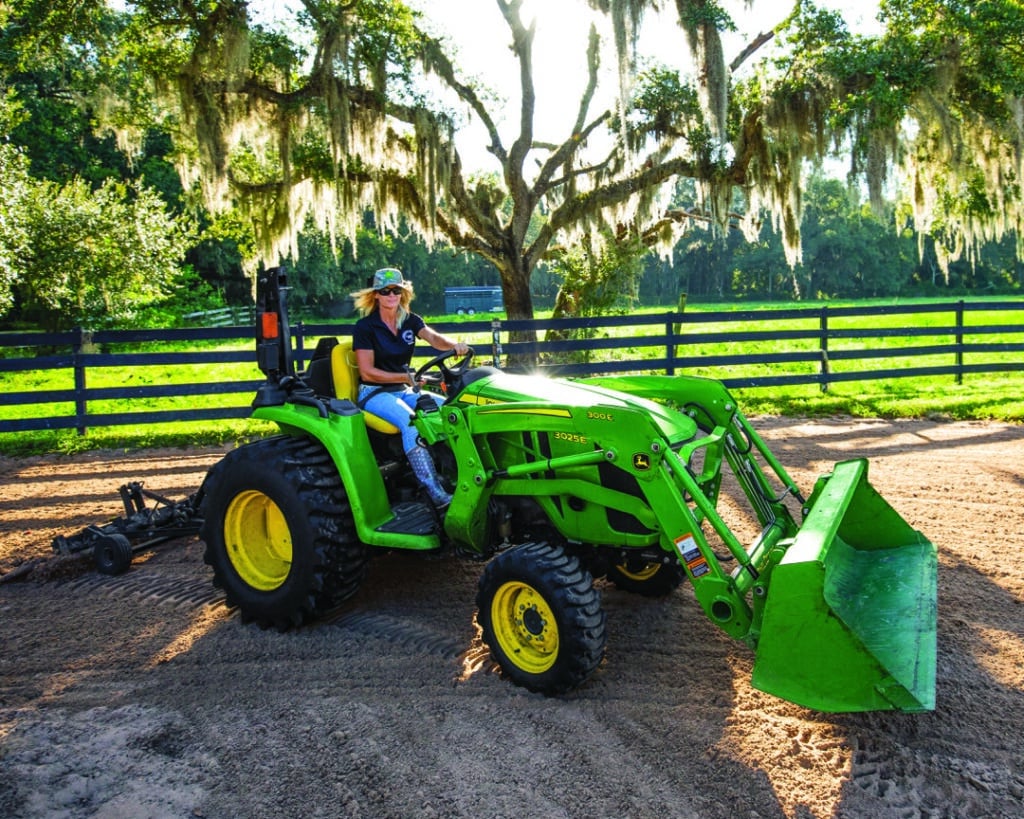
If you’re building out your attachment collection from scratch, three tools form the foundation of a versatile sub-compact setup. A front-end loader turns your tractor into a workhorse for moving mulch, gravel, soil, snow, and firewood—essentially replacing a wheelbarrow and shovel for bulk tasks. Most sub-compacts are sold as tractor-loader combos, with lift capacities ranging from 600 to 800 pounds. That’s enough for everyday property work without overstressing the frame.
A box blade handles grading and leveling—filling driveway potholes, spreading gravel, smoothing out garden beds. Look for a 4- to 5-foot-wide model designed for Limited Category 1 hitches, which is standard on most sub-compacts. Adjustable scarifiers and replaceable cutting edges make a box blade more versatile, letting you switch between aggressive ripping and gentle smoothing depending on the task.
For mowing, a mid-mount deck keeps your lawn looking clean, while a rotary cutter (often called a bush hog) tackles tall grass, light brush, and overgrown areas. The right choice depends on whether you’re maintaining a manicured yard or clearing trails and field edges.
Practical Add-Ons That Expand Your Range
Once you’ve covered the basics, a few additional attachments multiply what your sub-compact can handle. A land plane (or grading scraper) is easier to use than a box blade for routine driveway maintenance—it automatically shaves high spots and fills low areas as you drive, with minimal adjustments needed. If your property includes gravel roads or long driveways, this tool saves hours compared to repeated box blade passes.
Tow-behind core aerators relieve soil compaction and improve lawn health, especially on properties with clay-heavy soil or heavy foot traffic. Ground-driven models (48 to 60 inches wide) work well with sub-compacts, and adding weight trays with cinder blocks increases plug depth in compacted areas. Aerate in spring or fall when soil is moist but not saturated for best results.
Pallet forks transform your loader into a mini forklift, making it easy to move bagged materials, fencing supplies, or stacked firewood. This is one of those attachments that doesn’t seem essential until you use it once—then it becomes indispensable. Sub-compacts can safely lift 500 to 800 pounds on forks, as long as you mind the load center and don’t extend too far forward.
A broadcast spreader (either tow-behind or PTO-driven) handles seed, fertilizer, lime, and ice melt across larger areas. Ground-driven versions with 80- to 150-pound capacity work for most residential needs and don’t require PTO hookup, keeping things simple.
What Sub-Compacts Can’t Do Well
Knowing the limits matters as much as knowing the capabilities. Sub-compacts top out around 18 to 20 PTO horsepower, which means heavy-duty tillers, powered aerators, or large chippers will bog down the engine or fail to perform properly. If a task requires sustained high PTO demand, you’re better off renting a larger machine or hiring it out.
Lift capacity maxes out around 700 to 800 pounds for most models, so full pallets of stone, large round bales, or oversized loads exceed safe limits. Ground clearance and 3-point lift height are also restricted on sub-compacts, which can affect tools like land planes or augers that need more vertical range to operate effectively.
Finally, width and weight matching matters. Attachments should match or slightly exceed your tractor’s tire width, and total weight must stay within the 3-point lift capacity—often 700 to 800 pounds max at 24 inches behind the link pins. Choosing implements labeled “Limited Cat 1 Compatible” ensures correct fit and geometry.
Building Your Attachment Collection Strategically
The most versatile sub-compact setups prioritize multi-use, lightweight, low-PTO-demand tools that work within the tractor’s realistic capacity. Loaders, box blades, and mowers cover the majority of residential property tasks right out of the gate. From there, you can add specialized tools as specific needs emerge—aerators for lawn health, spreaders for seasonal maintenance, pallet forks for material handling.
If you’re working through which attachments make sense for your property size and goals, equipment dealers who specialize in compact and sub-compact tractors can walk you through compatibility and realistic expectations. For instance, Minnesota Equipment offers John Deere sub-compact tractors and a full range of Category 1 attachments, with staff who help property owners match tools to their machines without overbuying or under-sizing.
Whether you’re managing a few acres or tackling year-round property maintenance, the right attachments turn a sub-compact tractor into a genuinely capable machine. When you’re ready to explore attachment options that fit your tractor’s specs, starting with expert guidance helps you invest in tools that actually work together—not just ones that looked good on paper.