
 MyME
MyME

Spring in Minnesota means thawing soil, emerging grass, and the sobering realization that your lawn looks like a disaster. Winter leaves behind matted debris, dead thatch, compacted soil, and patches where snow mold took hold. You could spend weeks working through it all by hand—raking, aerating with a manual tool, seeding bare spots one section at a time—or you could knock out the same work in a few hours with the right tractor attachments. The difference isn’t just speed; it’s whether you finish before the narrow spring window closes and summer heat arrives.
Dethatching and Sweeping: The Dynamic Duo
Thick thatch layers—anything over half an inch—block water and nutrients from reaching grass roots, essentially starving your lawn from above. Removing it by hand with a dethatching rake is brutal work, especially on properties larger than a quarter acre. A tow-behind or tractor-mounted power dethatcher uses rotating tines to pull up dead grass and thatch quickly, covering one to two acres per hour instead of taking an entire day with manual tools.
Here’s where the real time savings happen: pair that dethatcher with a lawn sweeper. Many property owners dethatch, then spend hours raking up the mess left behind. A sweeper’s rotating brush flicks debris into a catcher as you drive, turning a two-step process into a single pass. Some dethatcher models even integrate sweeping mechanisms, letting you loosen and collect thatch simultaneously without switching equipment.
After dethatching, your lawn looks rough for a week or two—don’t panic. The turf recovers quickly in spring’s active growing period, especially if you follow up with the next critical task.
Core Aeration: Opening Pathways for Growth
Compacted soil from winter freeze, snowmelt runoff, or foot traffic prevents oxygen, water, and nutrients from reaching grass roots. Core aeration punches out plugs of soil (rather than just poking holes), creating channels that relieve compaction and improve drainage. Tow-behind core aerators make this feasible for large lawns—compared to manual aerators that require you to walk behind a heavy machine, tractor-pulled models let you cover ground quickly with better penetration depth when you add ballast weights.
Timing matters here. Wait until early to mid-May when the lawn is actively growing and soil has dried enough to work without creating muddy ruts. Water the lawn one or two days before aerating—moist (not saturated) soil allows tines to penetrate deeper and pull cleaner plugs. Mark sprinkler heads and shallow utility lines beforehand to avoid damage.
The soil plugs left on the surface look messy, but leave them there. They break down naturally within a few weeks, returning organic matter to the lawn. More importantly, those open holes are perfect for accepting seed and nutrients, which brings us to the next step.
Overseeding and Spreading: Filling In the Gaps
Bare spots from snow mold, pet damage, or winter kill invite weeds if you don’t address them quickly. Broadcast spreaders—either tow-behind or three-point-mounted models—distribute grass seed, fertilizer, and soil amendments evenly across large areas. Manual push spreaders work for small yards, but once you’re managing an acre or more, tow-behind models with 80- to 150-pound capacity save significant time and ensure consistent coverage.
Overseed immediately after aerating for maximum seed-to-soil contact. The plugs and holes create ideal germination spots, and keeping the soil moist for the next two to three weeks helps new grass establish before summer heat arrives. Use the same spreader in late May to apply a light fertilizer application—slow-release or organic products work best to avoid stimulating excessive thatch growth.
Debris Cleanup and Light Leveling
Before you do any of the heavy work, start with basic cleanup. Use your mower with a bagger attachment or a lawn sweeper to collect winter debris, leftover leaves, and loose material. A short initial mow (around 2.5 inches) prepares the surface for dethatching and makes it easier to see problem areas.
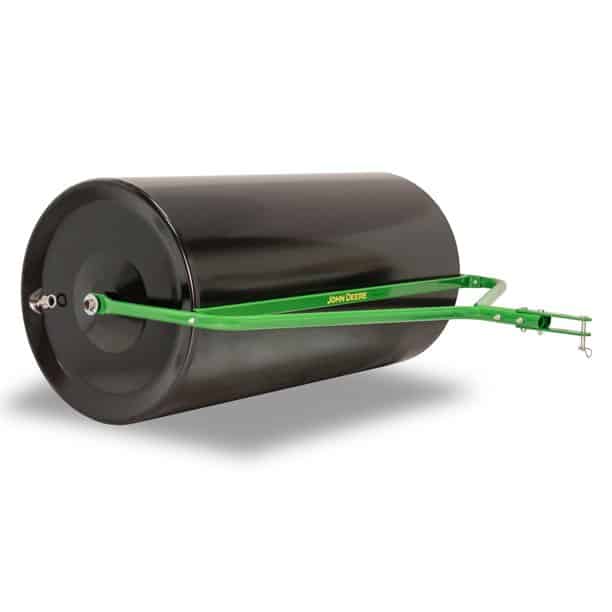
For minor frost heaves or surface bumps, a lawn roller pressed gently over moist soil flattens irregularities without causing compaction—but use this sparingly and only in early spring. Overuse compacts soil, which is exactly what you’re trying to fix with aeration. Lawn carts or utility wagons help transport compost, topsoil, seed, and tools around the property, eliminating constant back-and-forth trips to the garage or shed.
Sequencing Matters
Spring tasks build on each other, so order matters as much as equipment choice. Wait for soil to thaw and dry—working on muddy ground damages turf and compacts soil worse than leaving it alone. Start with debris cleanup and a short mow. Dethatch next, followed immediately by sweeping to collect the loosened material. Core aerate in early to mid-May once grass is actively growing. Overseed and fertilize right after aeration while holes are still open. Keep seeded areas moist for two to three weeks to support germination.
If you’re not overseeding, apply crabgrass preventer in mid-April to early May—but never apply pre-emergent if you plan to seed, as it will prevent grass seed from germinating just as effectively as it stops crabgrass.
Making Spring Work for You Instead of Against You
For small yards under half an acre, manual tools and push equipment may still be practical. But for medium properties (half an acre to two acres), tow-behind dethatchers, aerators, and spreaders dramatically reduce time and labor. On large properties—anything over two acres—combination attachments and strategic task planning aren’t luxuries; they’re necessities.
If you’re trying to figure out which attachments make sense for your property size and tractor setup, equipment dealers who specialize in lawn care attachments can match tools to realistic workloads. For instance, Minnesota Equipment offers John Deere tractors and a full range of lawn care attachments suited for spring recovery work, with staff who understand Minnesota’s tight spring timeline and can recommend setups that actually fit your property’s needs.
Spring lawn recovery doesn’t have to consume every weekend in April and May. When you’re ready to explore attachments that turn days of manual work into hours of tractor time, starting with the right guidance helps you invest in tools that pay off season after season.