
 MyME
MyME
Snow Blower Wear Parts That Fail First—and How to Spot Them Early
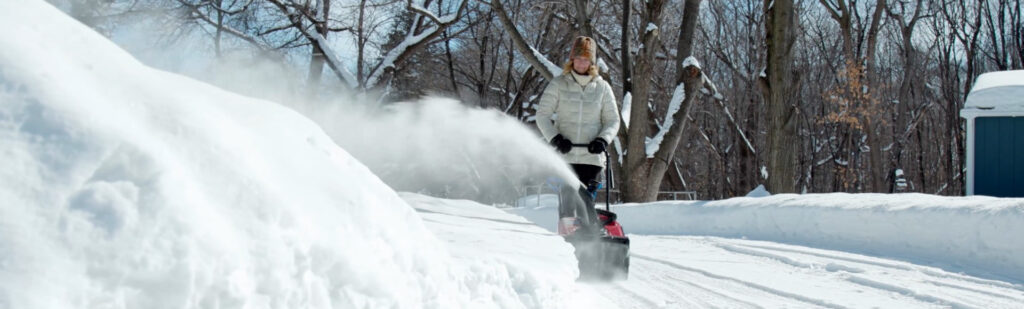
Snow blowers operate under intense stress during Minnesota winters. Knowing which components wear out first—and recognizing early warning signs—can prevent mid-storm breakdowns and costly emergency repairs.
Shear Pins
Shear pins are designed to fail under sudden load to protect major components:
- Frequent breakage may indicate hidden obstructions
- Bent augers or impellers increase stress
Keeping spare shear pins on hand is essential for uninterrupted operation.
Belts
Drive and auger belts transfer power throughout the machine:
- Slipping, squealing, or burning odors signal wear
- Cracks, glazing, or fraying indicate replacement is due
Inspect belts every 20–40 operating hours during heavy snowfall periods.
Spark Plugs and Fuel System Components
Cold starts stress ignition and fuel delivery systems:
- Hard starts, misfires, or stalling indicate ignition issues
- Contaminated fuel accelerates wear
Fresh fuel and seasonal tune-ups reduce failures.
Routine Maintenance Prevents Cold-Weather Issues
Replacing wear parts early costs far less than emergency repairs during peak storms and keeps equipment reliable when it matters most.
Preventive maintenance is the best way to avoid starting failures. Replace belts and shear pins as recommended, lubricate moving parts, and keep the auger and impeller free of debris.
Prevent Downtime with Proactive Maintenance
Minnesota Equipment offers full-service maintenance, parts replacement, and expert advice to keep snow blowers and tractor attachments operating at peak performance throughout the winter.
Shop Parts | Visit a Location