 MyME
MyME
Running a hobby farm is rewarding, but growing into a small business requires rethinking your equipment strategy. Expanding operations—whether for livestock, crops, or property services—demands more reliable, versatile, and higher-capacity machines to keep work efficient and profitable.
This guide covers how to scale your equipment collection as you transition from a hobby operation to a small farm or business.
Assess Current Equipment and Capacity
Start by evaluating your existing machines:
- Which tasks can your current equipment handle efficiently?
- Are you limited by engine power, attachment compatibility, or acreage capacity?
- Identify bottlenecks where work slows or becomes labor-intensive.
Understanding gaps allows you to prioritize upgrades and make smarter purchasing decisions.
Identify Essential Equipment Upgrades
Growing operations often require equipment that can handle heavier workloads:
- Compact tractors with versatile attachments: For mowing, plowing, material handling, and small tillage projects.
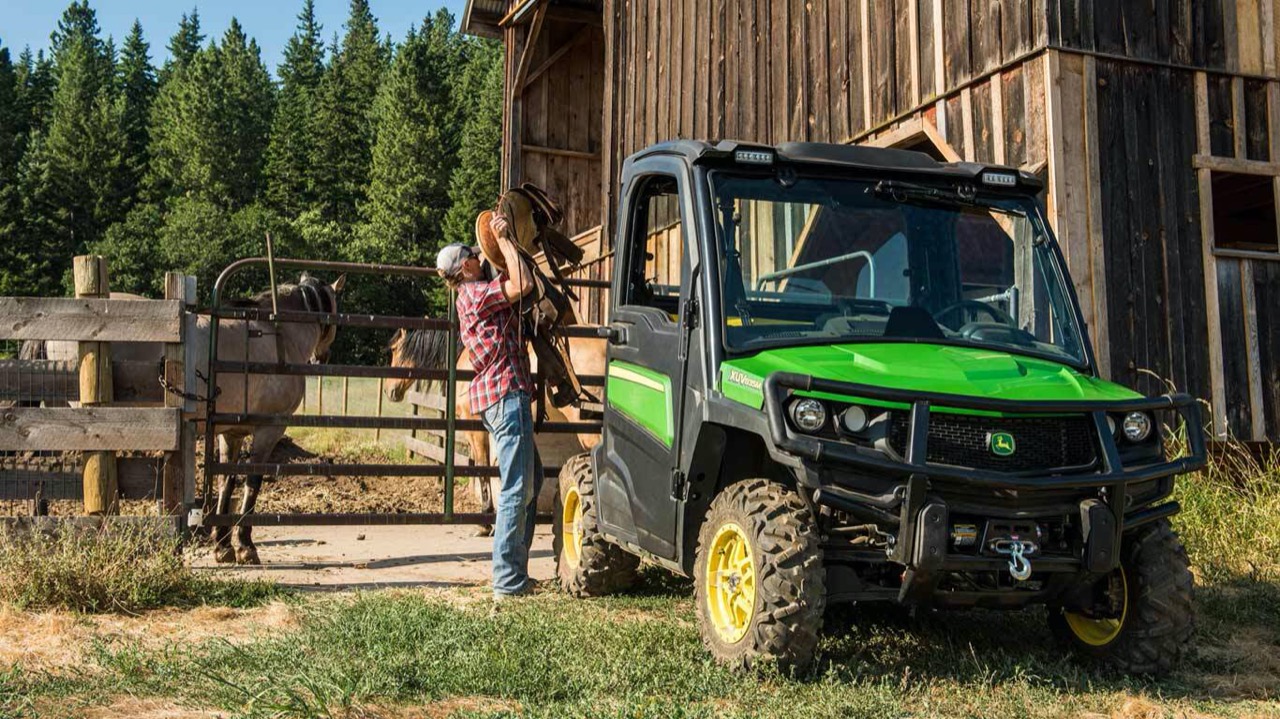
- Utility vehicles (UTVs): For transporting feed, tools, or equipment quickly across larger properties.
- Larger or multi-stage snow blowers: Essential for expanding winter snow removal coverage.
- Attachments and implements: Box blades, rotary cutters, seeders, and spreaders extend the capabilities of existing machines.
Choosing equipment with multiple uses helps maximize return on investment.
Consider Maintenance and Durability
As your workload increases, downtime becomes costly:
- Invest in machines with proven reliability and service support.
- Keep spare parts for high-wear items like belts, shear pins, and blades.
- Establish a regular maintenance schedule to prevent breakdowns during peak seasons.
Durable equipment reduces operational interruptions and ensures consistent performance.
Plan for Storage and Logistics
More equipment requires more storage and organization:
- Designate a dry, secure storage area for tractors, UTVs, snow blowers, and attachments.
- Consider easy-access layouts to deploy machines quickly during peak workload periods.
- Maintain clear labeling and organization for implements and spare parts.
Proper storage protects your investment and improves operational efficiency.
Evaluate Financial Considerations
Scaling a hobby farm to a small business often requires larger investments:
- Budget for high-capacity machines and attachments first.
- Explore financing options for commercial-grade equipment.
- Factor in long-term savings from reduced labor, increased efficiency, and machine versatility.
A thoughtful financial approach ensures growth is sustainable without overextending resources.
Training and Operator Skills
Larger equipment may require additional operator training:
- Learn attachment installation, safety procedures, and optimal operating techniques.
- Train employees or family members to handle new machines safely and efficiently.
- Utilize manufacturer resources and support for best practices.
Skilled operators get the most productivity out of your expanded equipment collection.
Planning for 2025–2026 Growth
Scaling your equipment collection thoughtfully supports smooth operational growth. Minnesota Equipment offers compact tractors, UTVs, attachments, and commercial-grade tools to help hobby farm owners efficiently and safely expand into small-business operations.
By assessing needs, upgrading strategically, and maintaining equipment properly, you can grow your farm or property business without compromising quality or reliability.