 MyME
MyME
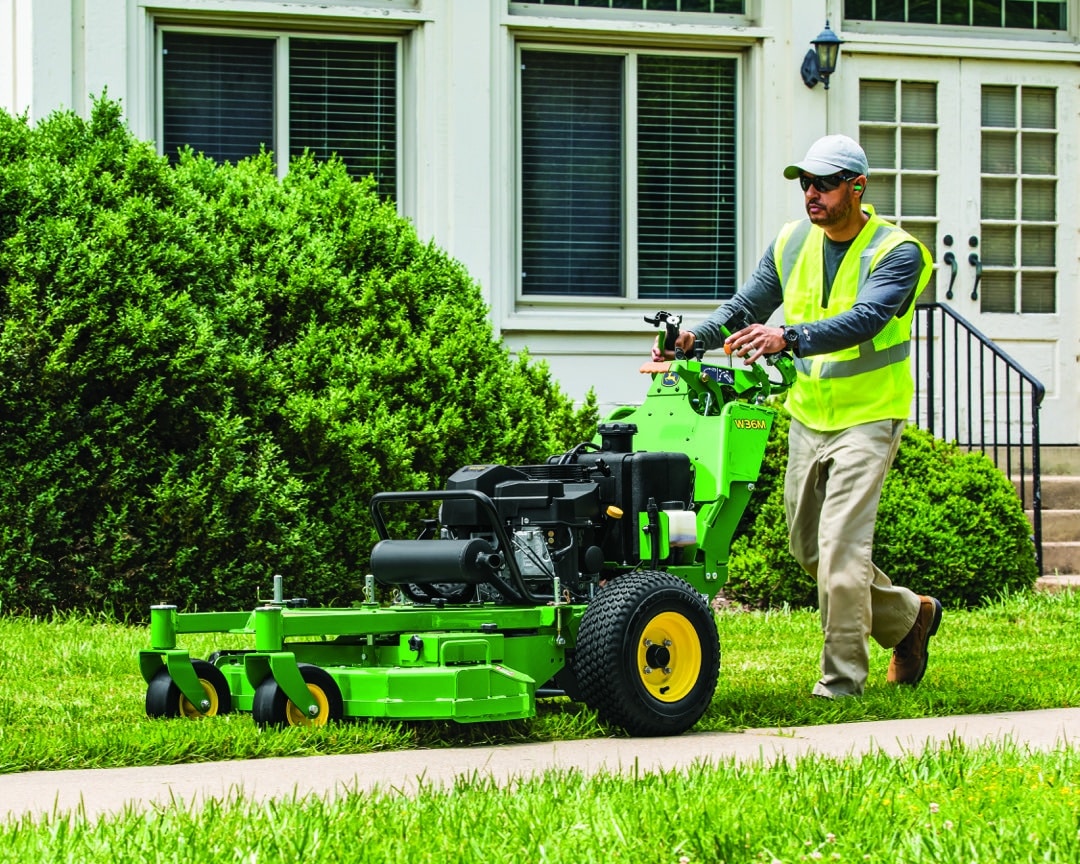
Managing 2 to 10 acres comes with challenges that standard residential equipment often can’t handle efficiently. As properties grow, so do the demands on time, durability, and productivity. Choosing the right equipment—and knowing when to upgrade—can dramatically reduce labor while improving results across mowing, material handling, and seasonal maintenance.
This guide outlines the most effective equipment options for large properties and how to build an upgrade path that matches your needs as workloads increase.
Why Larger Properties Require Different Equipment
On multi-acre properties, compact residential machines can lead to longer run times, increased wear, and inconsistent results. Larger properties benefit from equipment designed for higher productivity, wider cutting widths, and attachment versatility.
Upgrading equipment helps:
- Reduce time spent on routine tasks
- Improve cut quality and consistency
- Handle heavier workloads without overworking machines
- Expand capability beyond mowing
Step One: Upgrading Your Mowing Equipment
Zero-Turn Mowers
For properties up to several acres, zero-turn mowers offer speed and maneuverability. Wider decks reduce mowing time, while improved suspension and horsepower handle uneven terrain more effectively than standard riding mowers.
Commercial-Grade Riding Mowers
On larger or more open properties, commercial riding mowers provide durability, higher fuel capacity, and longer service life. These machines are built for extended use and frequent mowing cycles.
Choosing the right deck size and engine power is key to balancing efficiency and terrain requirements.
Step Two: Adding a Utility Vehicle
As acreage increases, transporting tools, debris, and materials becomes a major time saver.
Utility Task Vehicles (UTVs)
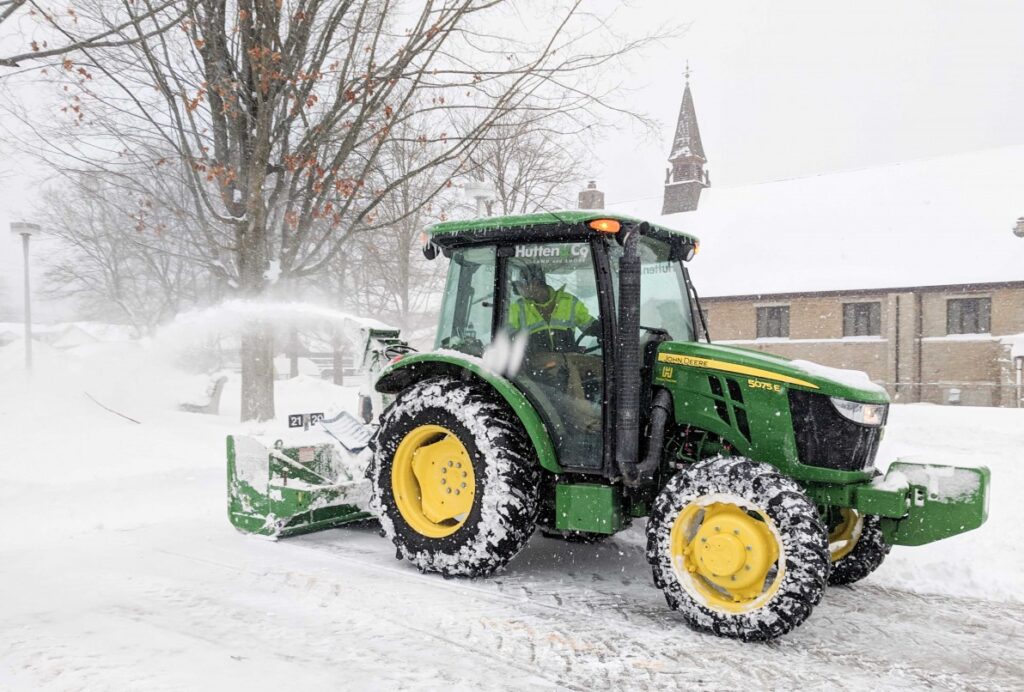
UTVs with dump beds allow property owners to move mulch, firewood, soil, and equipment quickly across large areas. They’re especially useful for fall cleanup, winter snow management, and ongoing property projects.
Many UTVs also accept attachments such as snow plows or sprayers, increasing year-round usefulness.
Step Three: Moving to a Compact Tractor
For properties approaching the higher end of the 2 to 10 acre range, compact tractors offer unmatched versatility.
Compact Tractors
Compact tractors handle tasks beyond mowing, including grading, snow removal, landscaping, and material handling. With a wide range of available attachments—loaders, blades, tillers, aerators, and more—one machine can replace several single-purpose tools.
They’re a smart upgrade for owners who want flexibility and long-term value as property needs evolve.
Attachment-Driven Efficiency
Attachments transform core equipment into multi-season solutions.
Common attachments for large properties include:
- Front-end loaders for material handling
- Snow blowers and blades for winter maintenance
- Tow-behind aerators and spreaders
- Rotary cutters for rough or overgrown areas
Selecting attachments based on seasonal needs helps maximize equipment return on investment.
Matching Equipment to Property Layout
Not all large properties are the same. Terrain, obstacles, and usage should guide equipment selection.
- Open acreage benefits from wider decks and higher ground speeds
- Properties with trees and landscaping require maneuverability
- Sloped or uneven terrain calls for stability and traction
Evaluating how you use your land ensures equipment upgrades align with real-world demands.
Planning an Upgrade Path That Makes Sense
Instead of purchasing everything at once, many property owners benefit from a phased approach:
- Upgrade mowing equipment
- Add a UTV for transport and seasonal work
- Invest in a compact tractor as needs expand
This strategy allows equipment investments to grow alongside property demands.
Get Expert Help Choosing the Right Equipment
Selecting equipment for 2 to 10 acres doesn’t have to be overwhelming. Minnesota Equipment offers a range of mowers, UTVs, compact tractors, and attachments to match larger property needs. Their team can help build a practical upgrade path that improves productivity, reduces downtime, and supports long-term property maintenance.
With the right equipment in place, managing large properties becomes more efficient, more consistent, and far more manageable year-round.