
 MyME
MyME
Walk into any equipment dealer and you’ll face walls of handheld tools. Battery, gas, electric. Different brands, sizes, prices. The salesperson asks what you need, and suddenly you’re second-guessing everything. Do you really need a chainsaw? What’s the difference between a $99 trimmer and a $400 one?
Here’s the reality: three handheld tools form the backbone of property maintenance for most homeowners. Get these right, and you can handle 90% of what your yard throws at you without calling for help or cobbling together makeshift solutions.
The Core Three
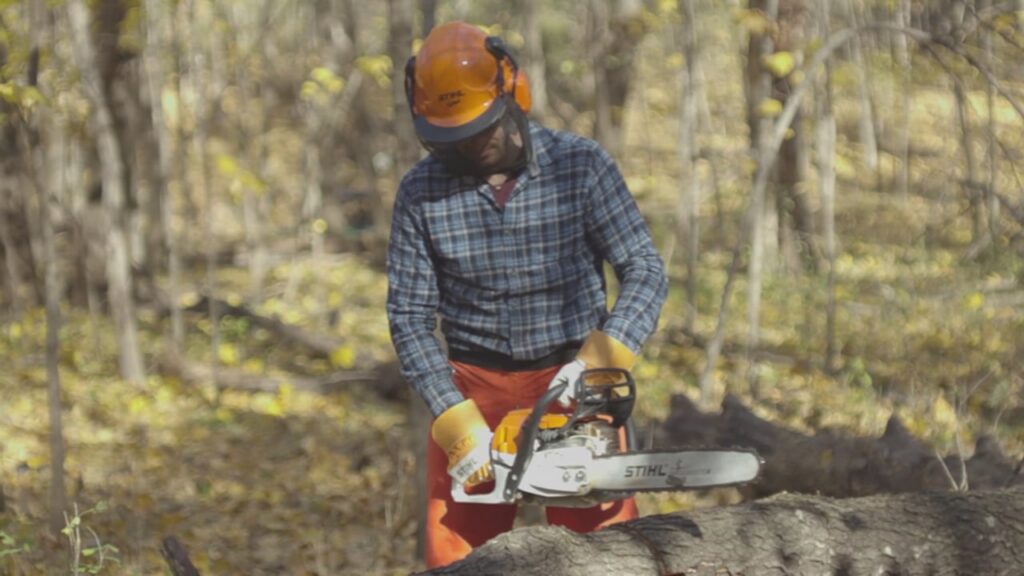
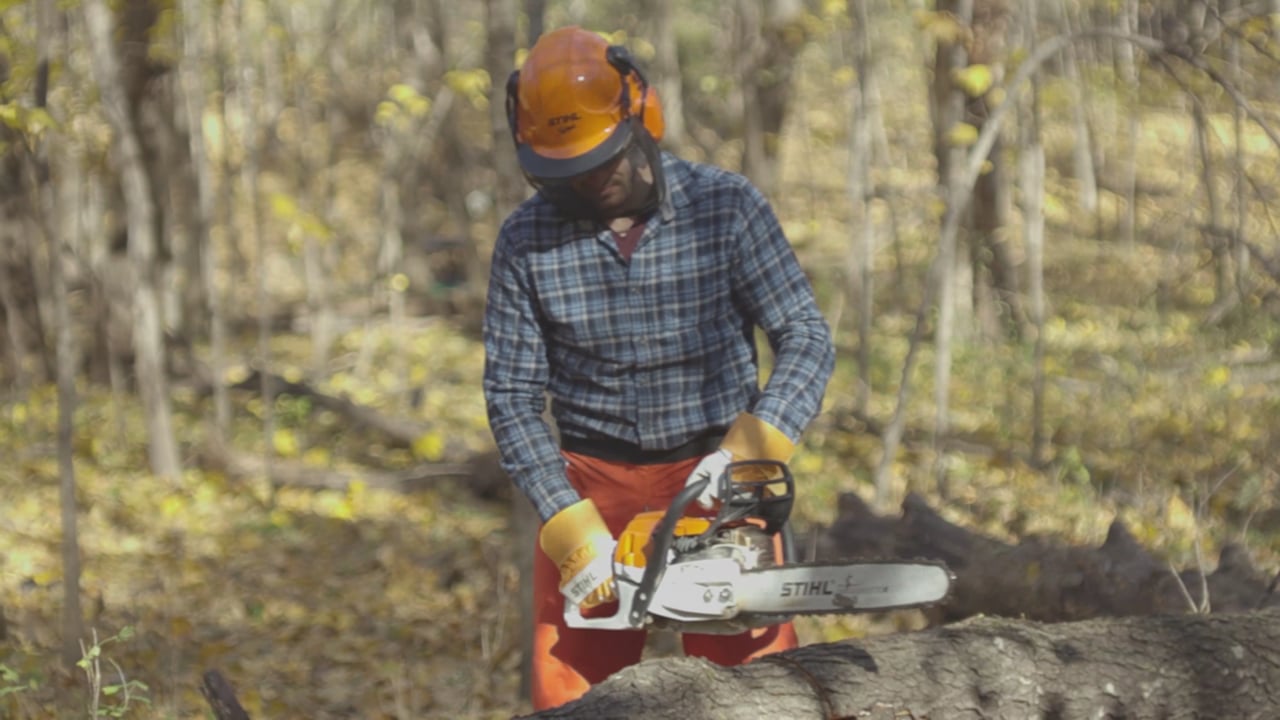
Chainsaw: Yes, even if you don’t heat with firewood. A chainsaw isn’t just for cutting logs—it’s your insurance policy when summer storms drop limbs across your driveway or a dead branch threatens your roof. A small chainsaw (14–16 inch bar) handles most homeowner needs: pruning, storm cleanup, cutting up fallen wood. You’ll save hours compared to hand sawing, and you won’t be stuck waiting for a tree service to clear your property after a storm.
String Trimmer: This tool finishes what your mower can’t reach. Edges along fences, around garden beds, next to foundations—anywhere the mower leaves stragglers. Beyond aesthetics, regular trimming removes cover for rodents. Mice and rats love hiding in overgrown grass and brush along buildings, so keeping perimeters neat makes your property less inviting to pests. Many trimmers accept attachments for edging walkways or cutting light brush, extending their usefulness beyond basic trimming.
Leaf Blower: If you think blowers are just for fall leaves, you’re missing out. In summer, they clear grass clippings from sidewalks and patios in seconds. They sweep out dusty garages, blast debris from gutters, dry your car after washing, and clean dust from lawn mower decks. Come winter, a powerful blower pushes light snow off steps and walkways faster than shoveling. It’s the definition of a year-round tool.
Choosing What Works for Your Property
Power source matters: Battery tools have come a long way—they’re quieter, lighter, and require almost no maintenance. For most suburban properties under two acres, battery-powered versions of all three tools will cover your needs. Gas tools offer more runtime and raw power, which matters if you’re tackling heavy brush, large trees, or working far from outlets. Electric corded tools work fine for small yards but tether you to an outlet.
Size and features: For chainsaws, a 40–50cc gas engine or equivalent battery power handles homeowner tasks. Look for automatic chain oilers and safety features like chain brakes. String trimmers with straight shafts reach further and accept more attachments than curved-shaft models. For blowers, CFM (airflow volume) matters more than MPH (speed)—high CFM moves heavy wet leaves, while high MPH just scatters light debris.
What you’ll actually use: Be honest about your property. A half-acre suburban lot doesn’t need professional-grade gas equipment. A five-acre wooded property will outgrow homeowner-grade battery tools quickly. Match the tool’s capability to what you’re actually asking it to do, not what you might do someday.
Don’t Skimp on Safety
These tools demand respect. Eye protection and gloves are non-negotiable for all three. Hearing protection for chainsaws and gas blowers. Chainsaw chaps or protective pants if you’re cutting regularly. Learn proper techniques before firing up equipment—most injuries happen because people skip the basics or rush through unfamiliar tasks.
The Bottom Line
You don’t need every tool on the shelf, but skipping these three means you’ll either pay others to handle routine tasks or struggle with inadequate equipment. Buy once, buy right. A quality trimmer, blower, and small chainsaw will serve you for years if you maintain them properly.
For Minnesota homeowners building their equipment lineup, Minnesota Equipment carries John Deere handheld tools designed for Midwest conditions—wet springs, thick summer growth, and unpredictable weather. Their team can help you navigate power source decisions and match tools to your property’s reality without overselling features you won’t use.
Ready to stop borrowing equipment or making do with the wrong tools? Visit a location near you and get hands-on with equipment that actually fits your property’s demands.